A Two-and-a-Half-Month Exchange Journey in the US: At UCSB
In the second semester of my junior year, I participated in the University Immersion Program (UIP), an international visiting student program partnered with my home university, to study at the University of California, Santa Barbara (UCSB) for two and a half months. I wrote this post to briefly record this journey.
Arriving in the US, Santa Barbara
This was my first time living and studying in the United States. Arriving to live and study alone for two and a half months naturally came with some apprehension. The development and convenience of the internet gave me a preliminary impression of this place before I arrived on the West Coast. However, information online comes from mixed sources, making it hard to distinguish fact from fiction; only firsthand experience reveals what it's truly like.
The journey was a direct flight from Shanghai Hongqiao to Los Angeles International Airport (LAX), taking about 16 hours of flight time. Honestly, it was indeed the longest flight I have ever taken (the second longest was around 12 hours when I went to Australia in middle school, though the return flight was even longer). After arriving in Los Angeles, the partnered exchange agency arranged an airport pickup to take us to Santa Barbara.
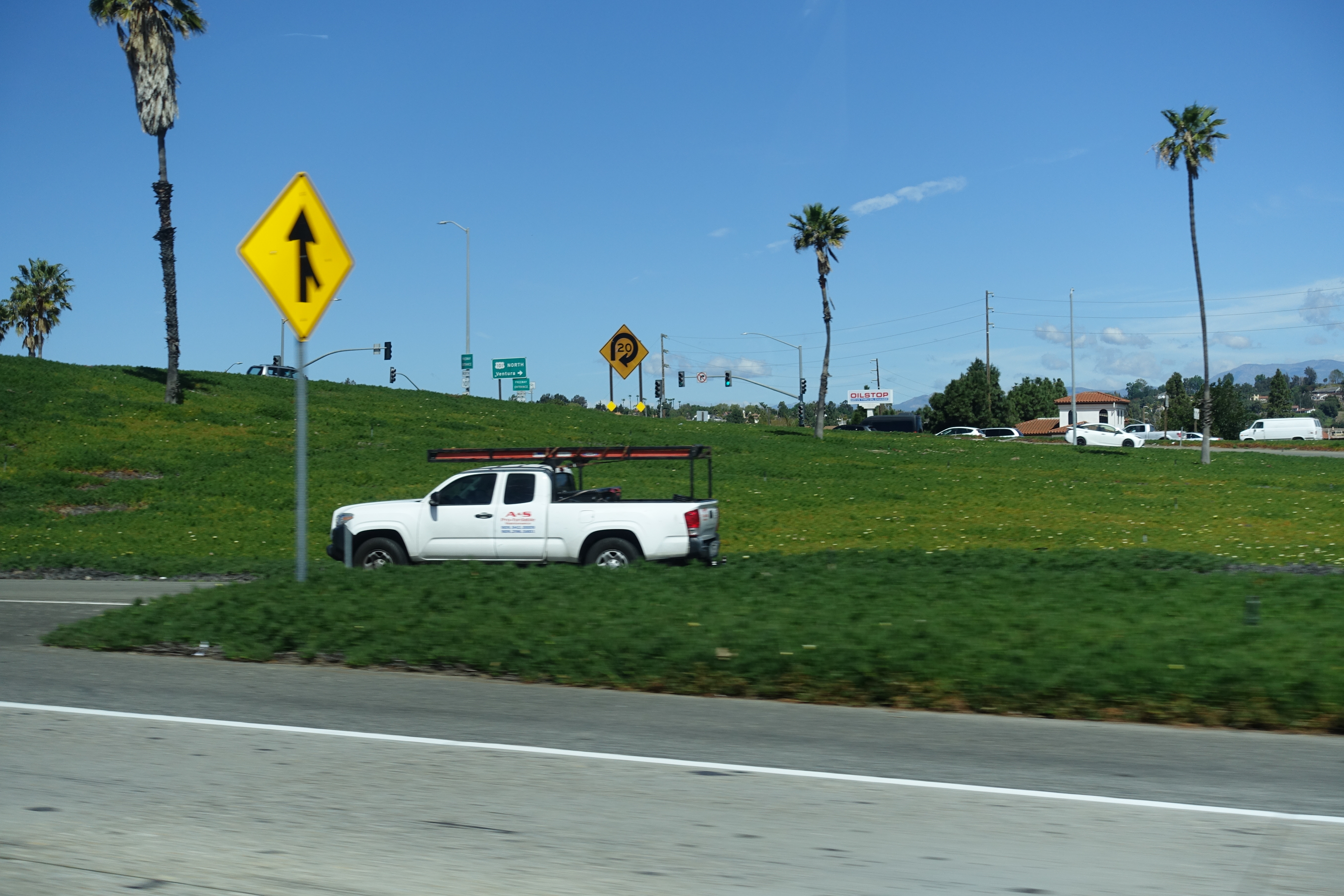
From Los Angeles, the drive to Santa Barbara took about two hours. My first impression upon arriving was how spacious—exceptionally spacious—it was. Although LA is a major metropolis, from leaving the airport until exiting the city, I hardly saw any high-density clusters of buildings. The main roads were very wide, often featuring five straight-lane lanes in a single direction. There were many cars, yet traffic moved without feeling overly congested. Almost every building had vehicle driveways and drop-off points, truly making one sigh that it is indeed a "nation on wheels." In contrast to the motor vehicle lanes, however, sidewalks were far less accommodating. Pedestrian traffic lights cycled separately from vehicle lights; after pressing the crossing button, you often had to wait through an entire cycle of car traffic before getting the walk signal (I don't know if that's intentionally designed this way, but subjectively, it felt like waiting much longer than back home). Moreover, many main roads lacked sidewalks altogether, and some intersections only had pedestrian crossings on two sides (if you needed to cross on the other side, you had to cross over at the previous intersection). The saying that "you can't take a single step without a car" is certainly not an exaggeration.
 |
 |
 |
|---|
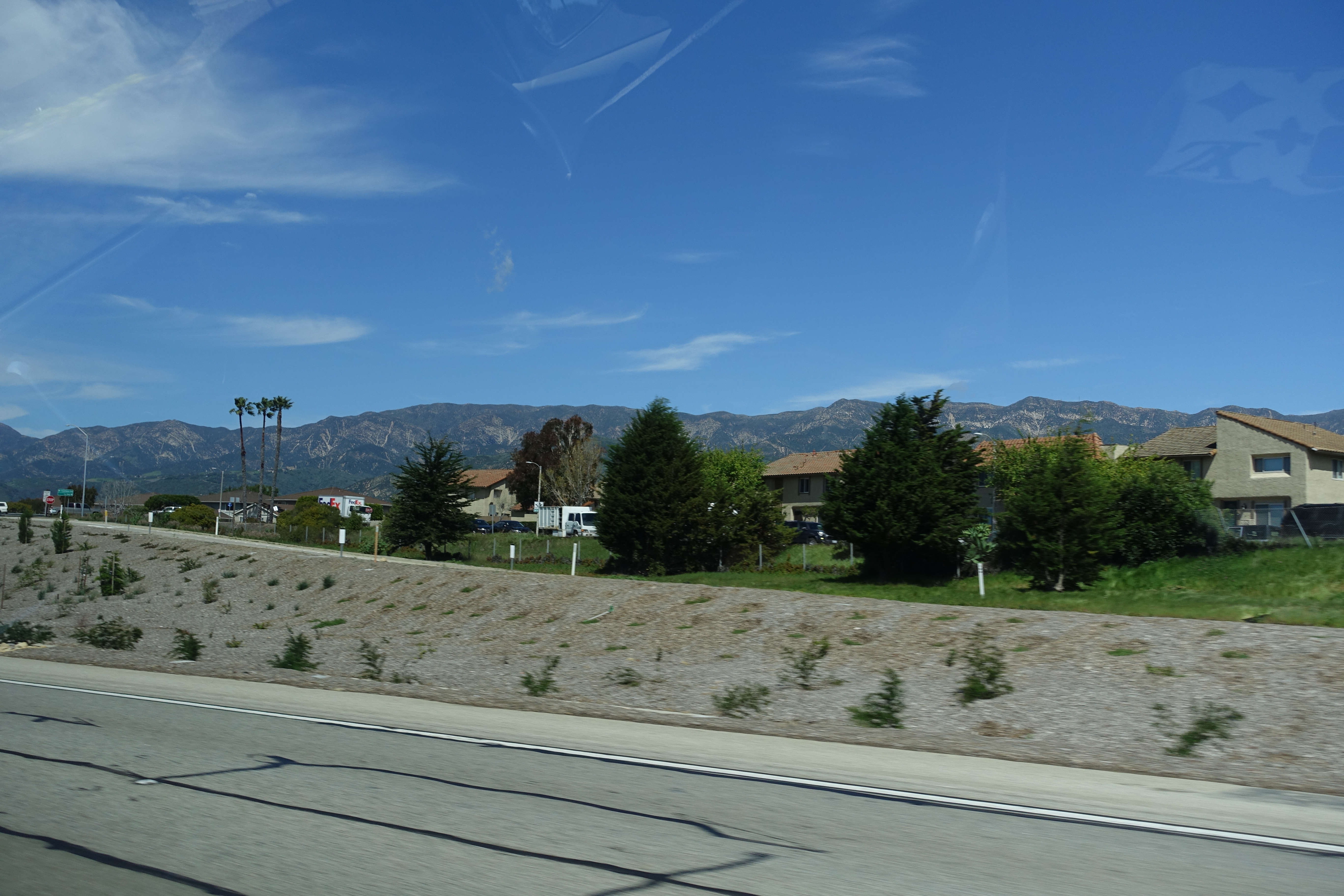
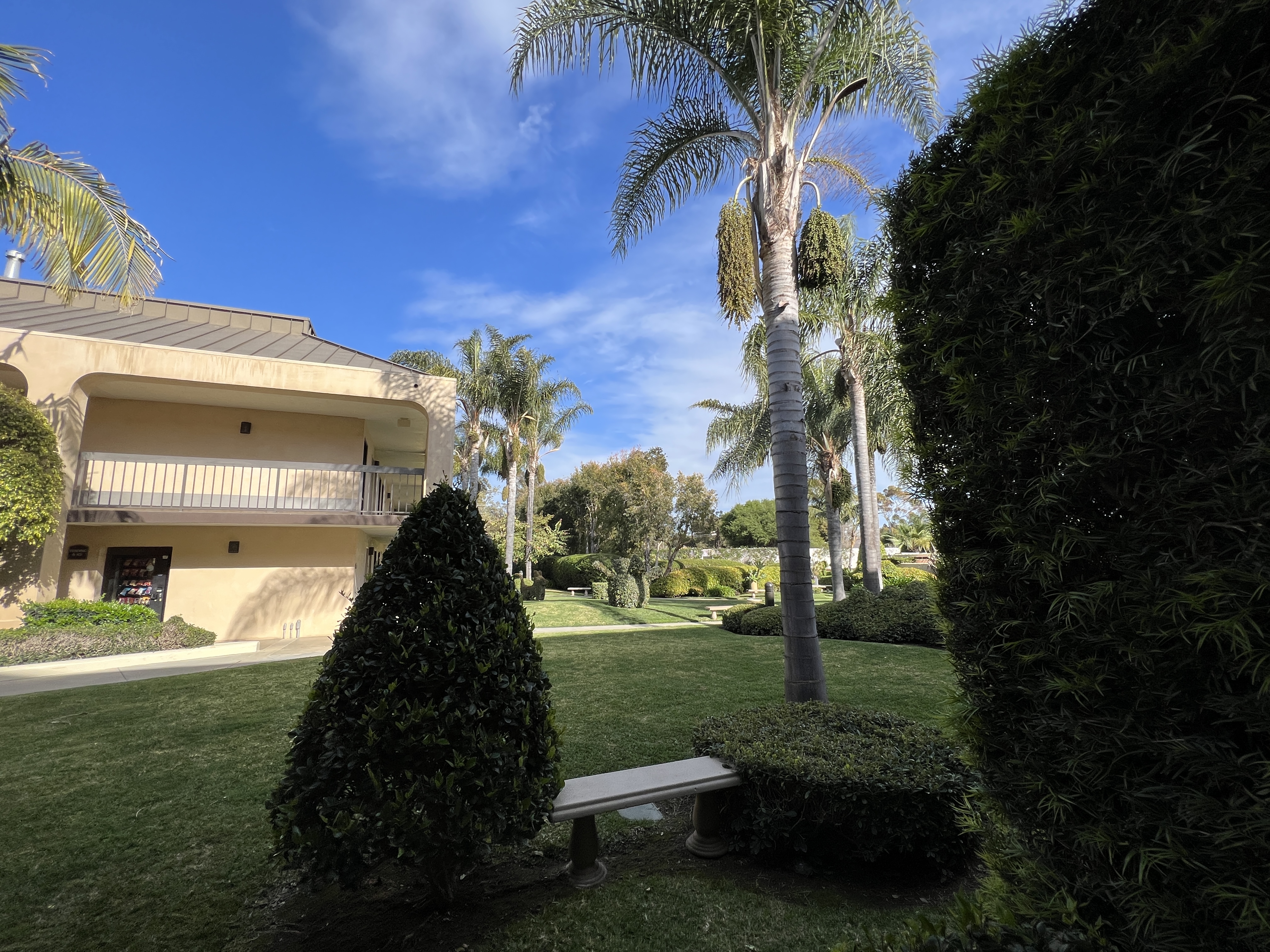
Santa Barbara is a coastal town, and the scenery along the road was quite pleasant.
Campus, Housing, and Surroundings
 |
 |
 |
|---|
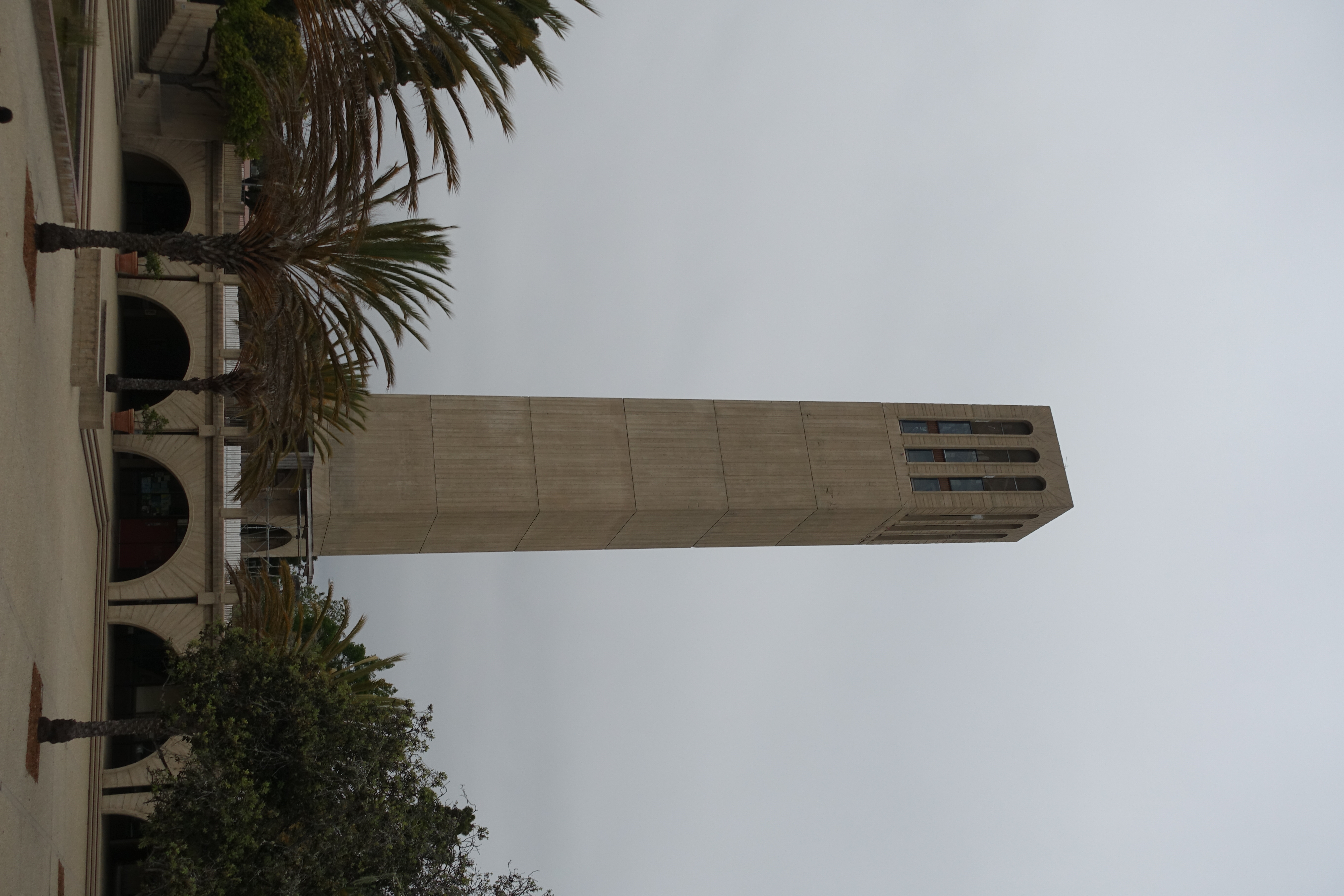
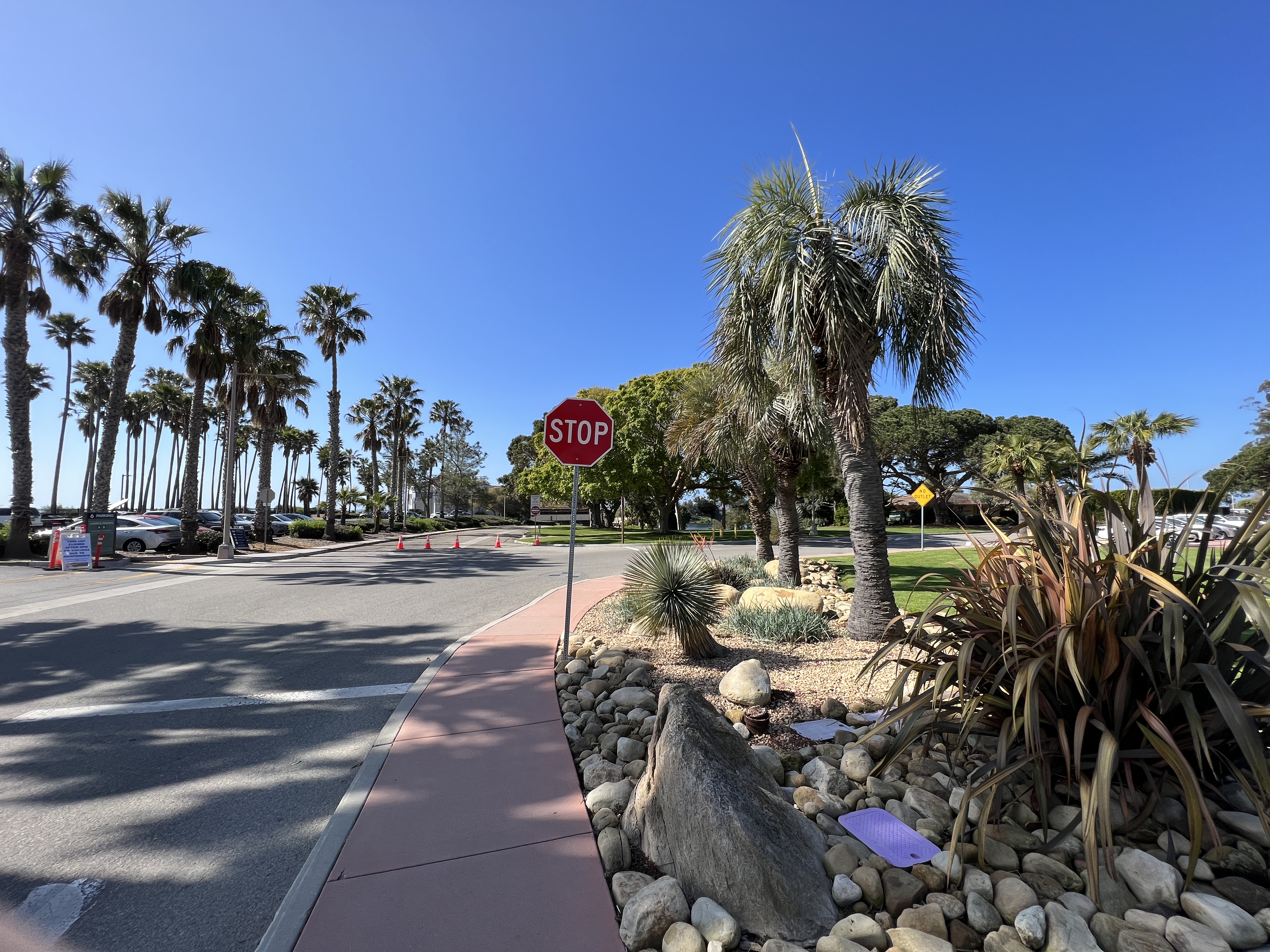
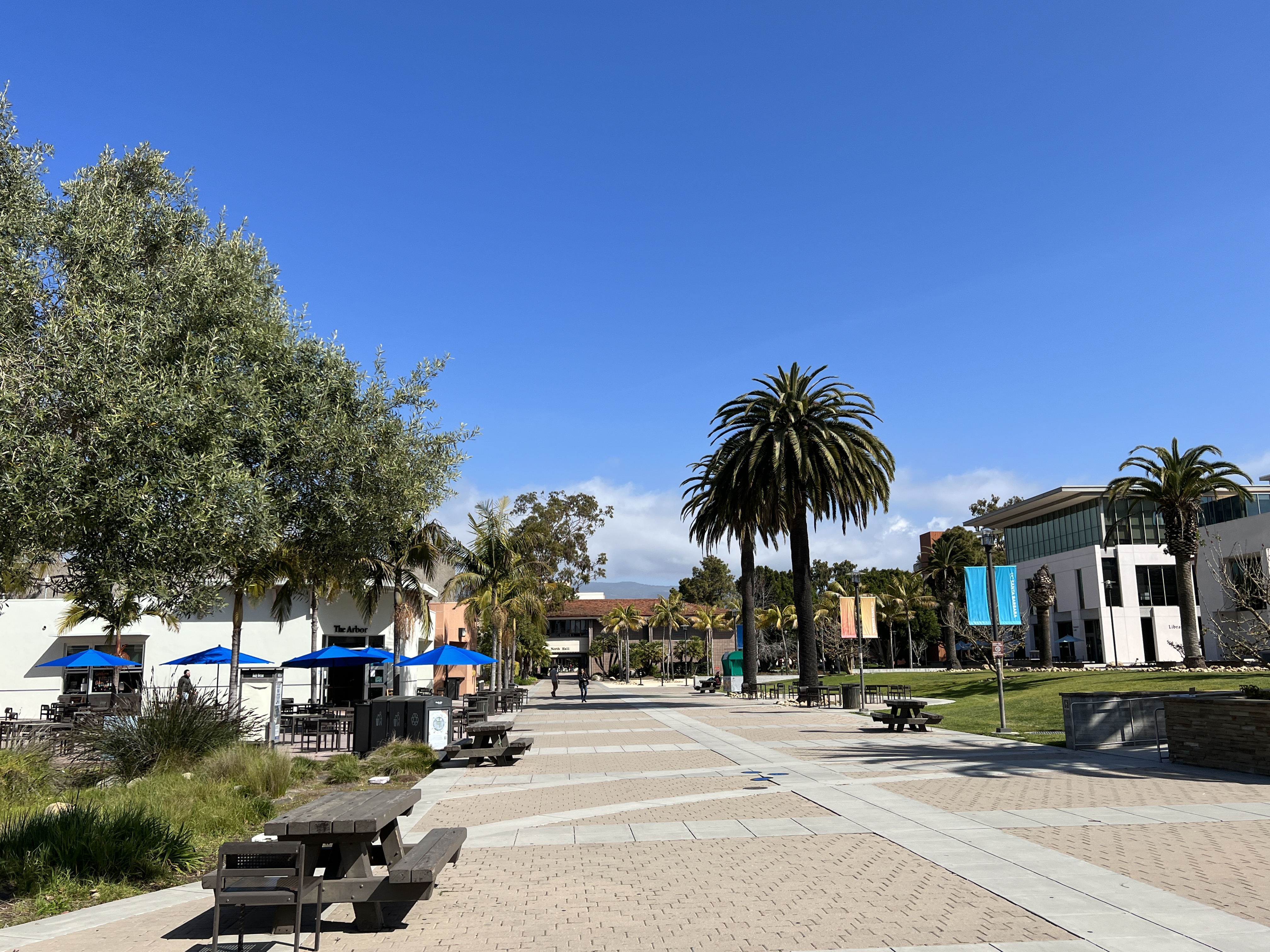
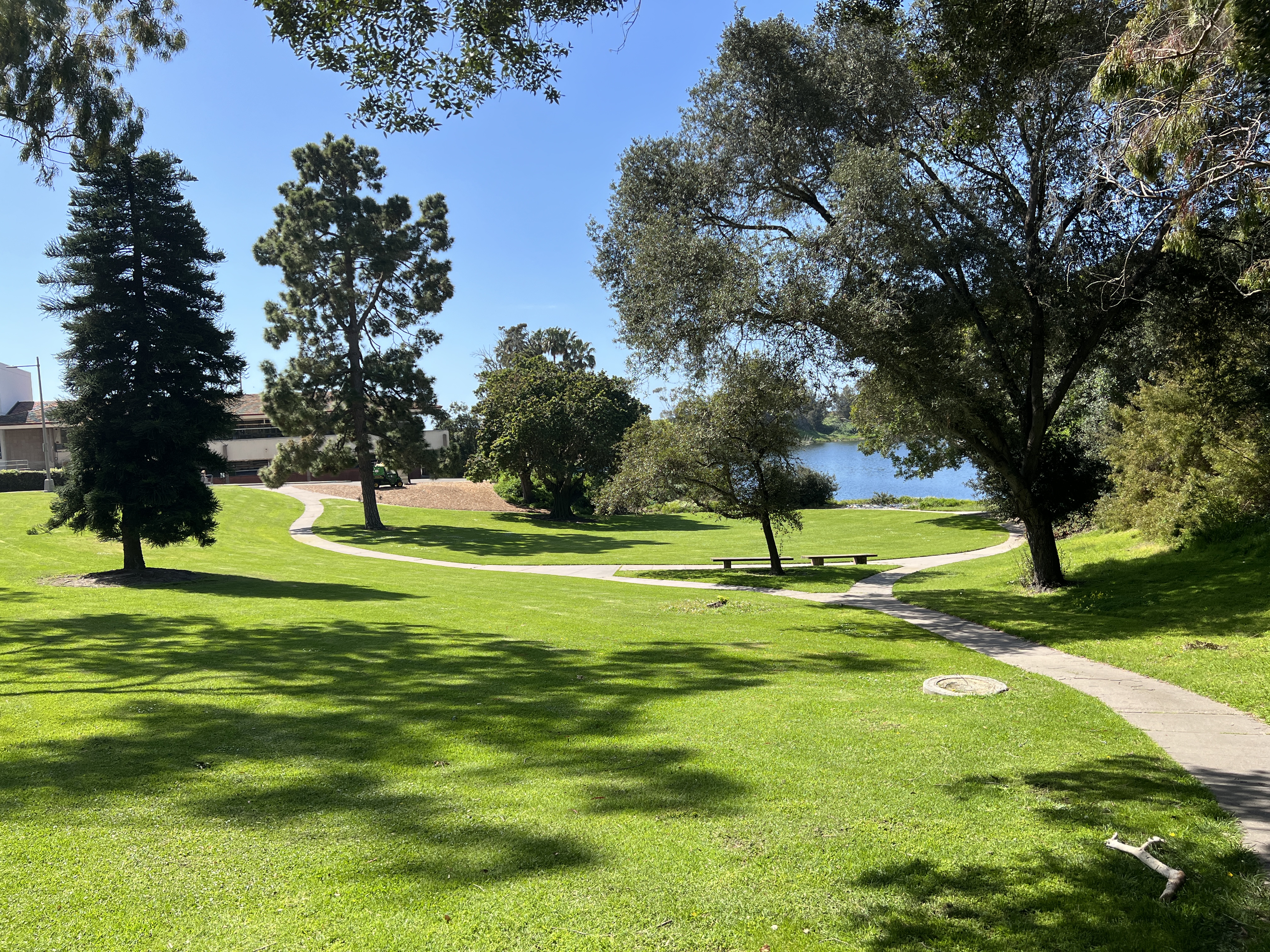
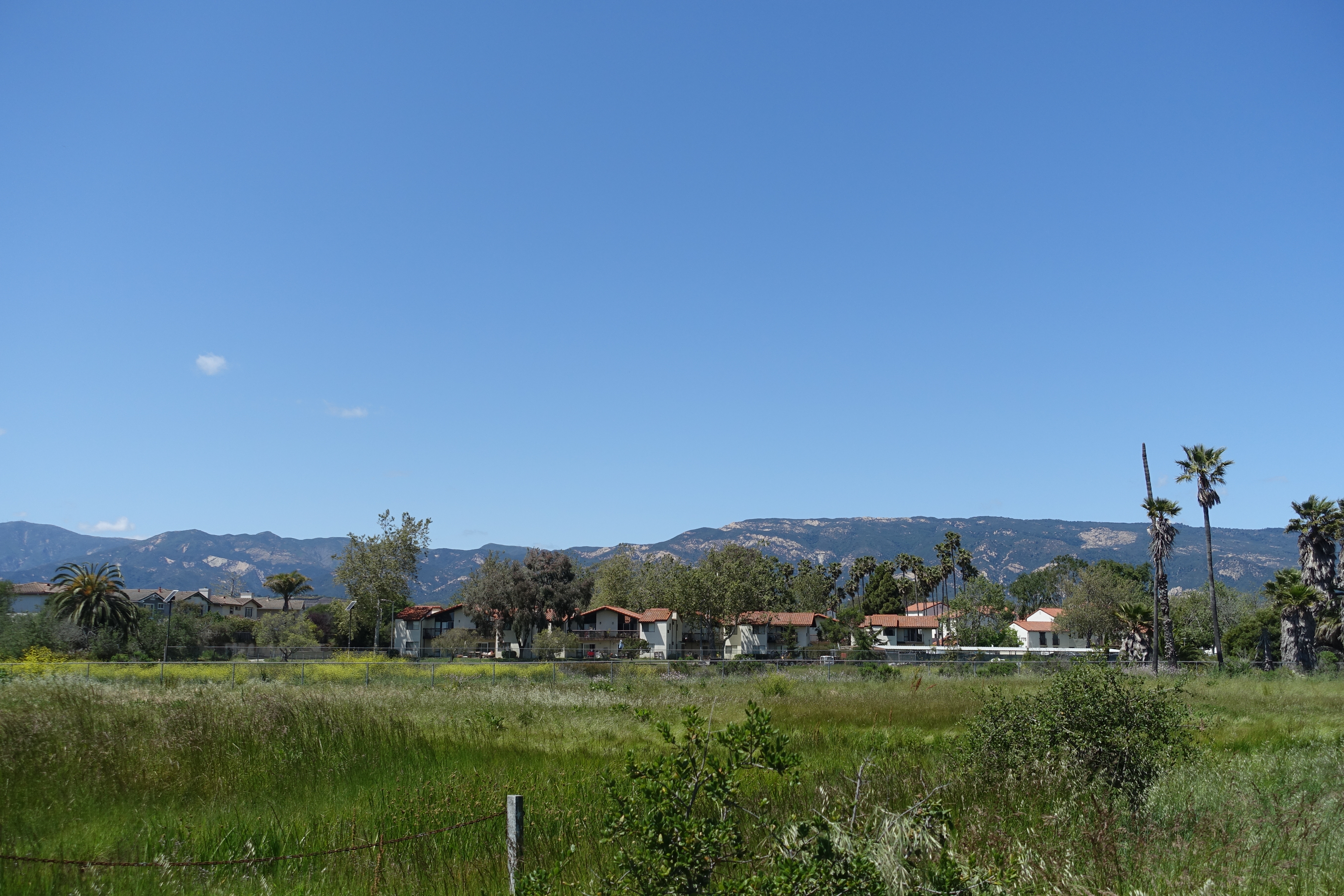
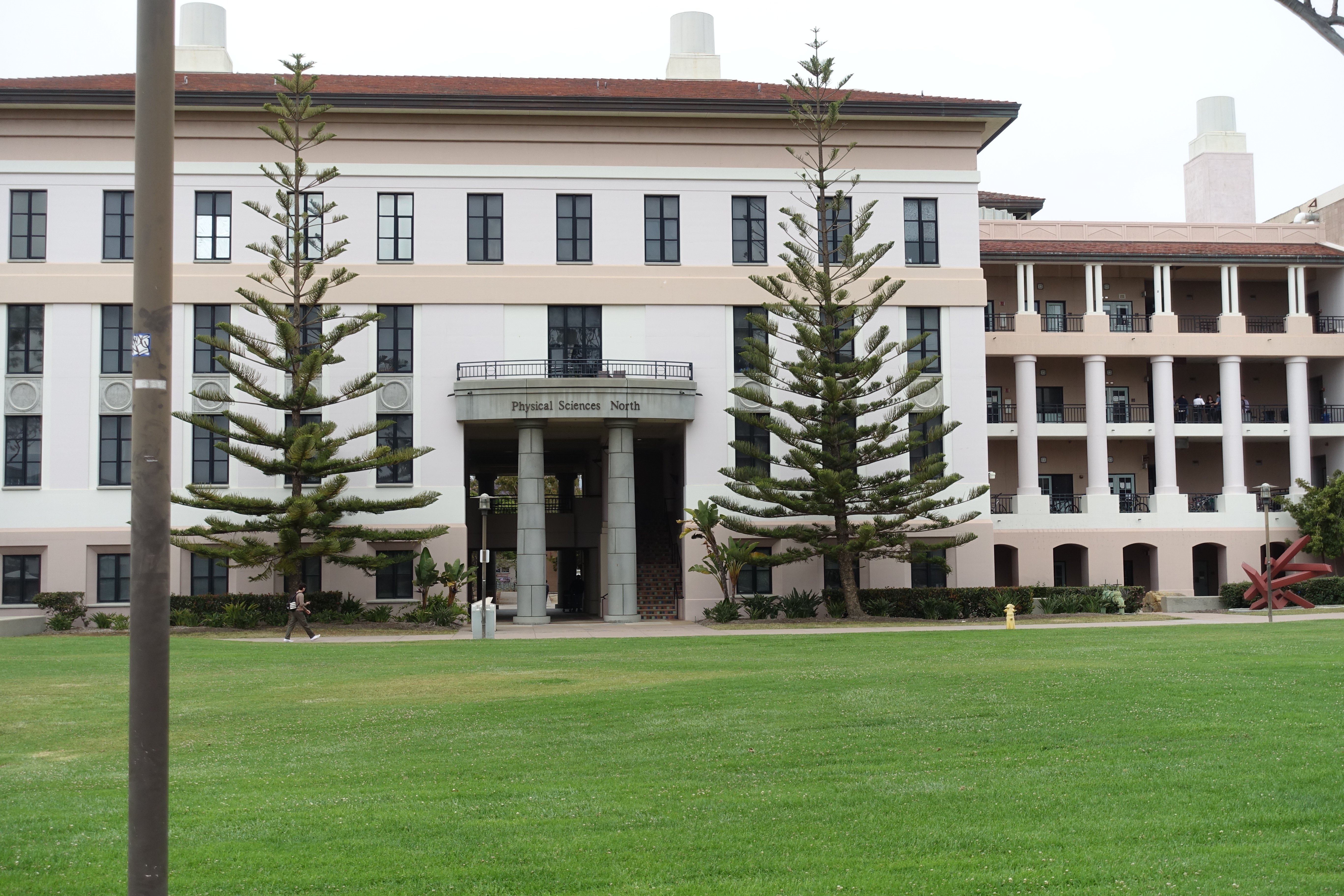
Two days before classes started, I took a walk around the academic area of campus. I heard that the UCSB campus itself is one of Santa Barbara's iconic attractions. Looking from above, the campus forms an inverted "凹" shape. The southeastern side is the primary academic area, sitting right by the ocean, and also houses the main bus stops for the area (my travel over these two months relied entirely on the bus). The horizontal strip along the top is the residential area, with student housing lining both sides of the street. The other side consists mostly of natural landscapes and nature preserves (which is essentially a vast expanse of open land). If you only count the main academic facilities, the campus isn't actually very large (compared to top universities in China). The campus is gorgeous—stepping out of the physics or engineering buildings leads straight to the beach, where many locals enjoy cycling and walking their dogs along the seaside streets.
The liveliest spot on campus is the main walkway in front of the library, where students hold various activities. Especially around noon, many students lie on the lawn sunbathing, studying, or reading. The sunshine there is wonderful and not at all sweltering (in fact, during my nearly three months there, the temperature hardly fluctuated, staying roughly between 11°C and 23°C—a true Mediterranean climate).
 |
 |
 |
|---|
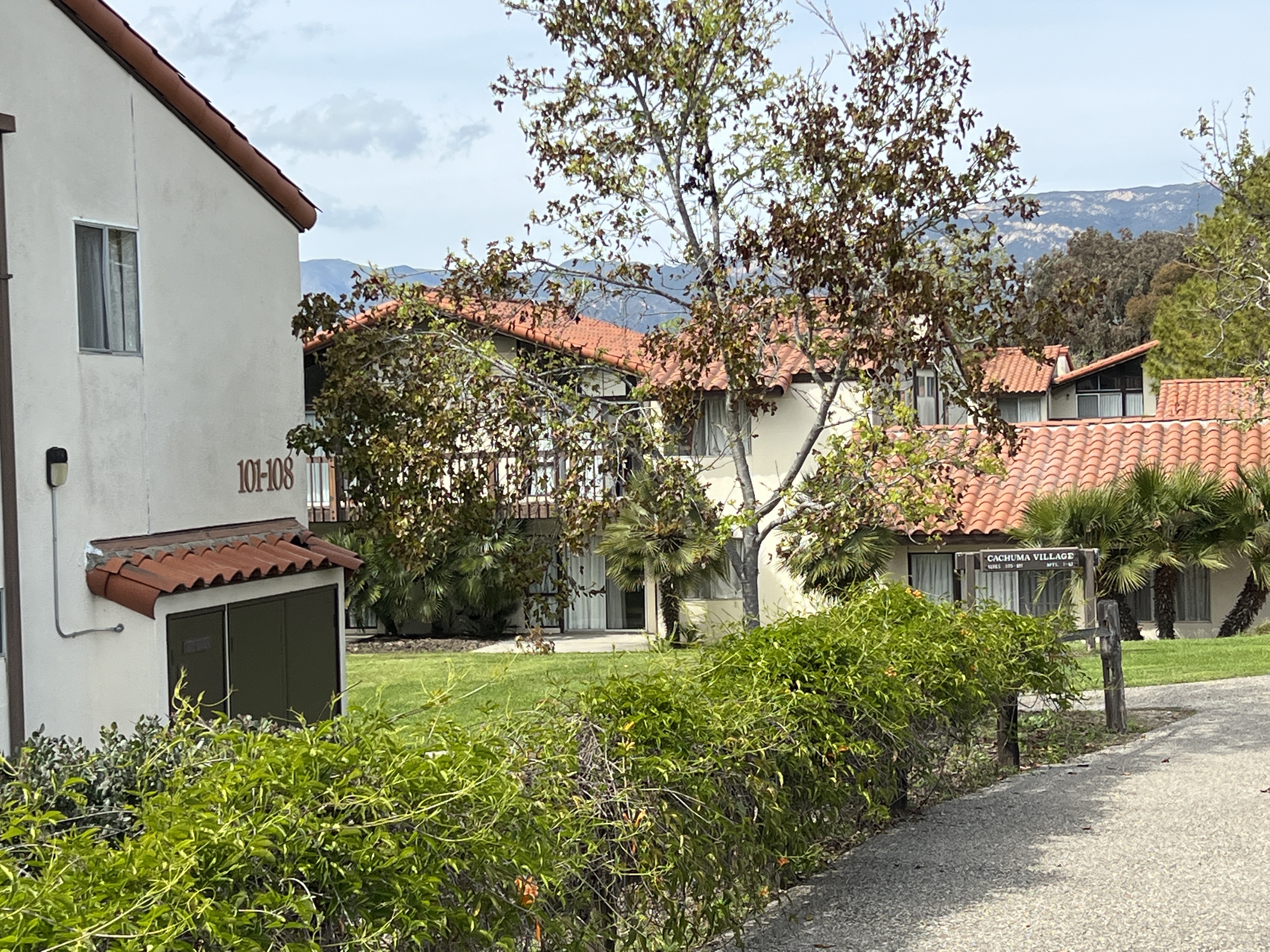
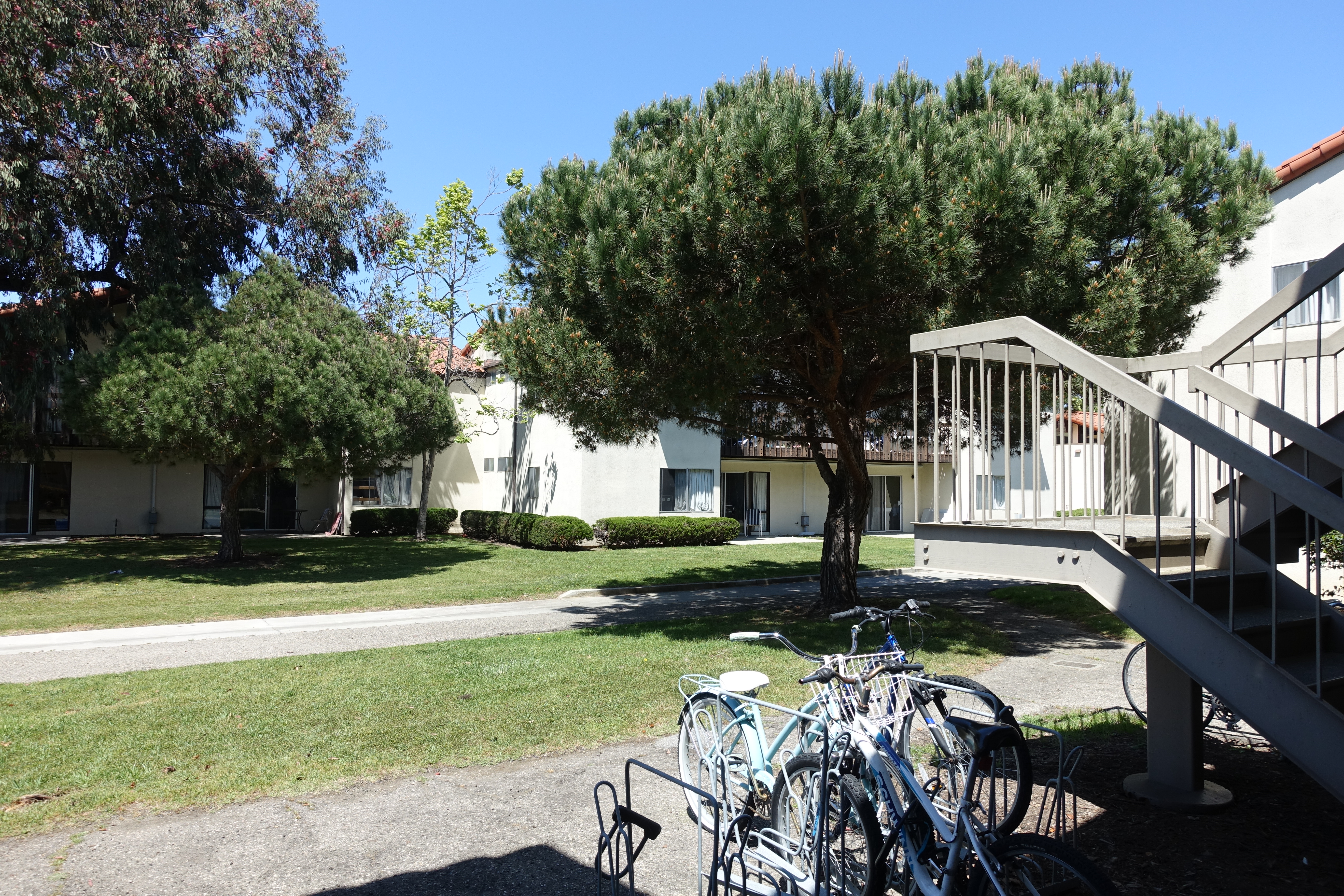
The housing complex I lived in was located around the middle of that upper horizontal street, in Santa Ynez, consisting of detached apartment buildings. Each building has four suites, and each suite contains one living room, two bedrooms, and two bathrooms. Because I checked the Asian-interest preference during housing application, when I moved in I found that almost all my roommates were Chinese, except for one Vietnamese American (I had originally planned to intensively practice my English speaking for three months, but ended up speaking mostly Chinese).
Since I had neither a two-wheeler nor a four-wheeler, getting around depended entirely on public transit. Smaller towns don't have subways, but that also means buses can take you pretty much everywhere. The primary bus lines between the campus and dorms run about every 15 minutes, but since almost all routes serve both the campus and the Market Place stops, daily travel was quite convenient.
 |
 |
 |
|---|
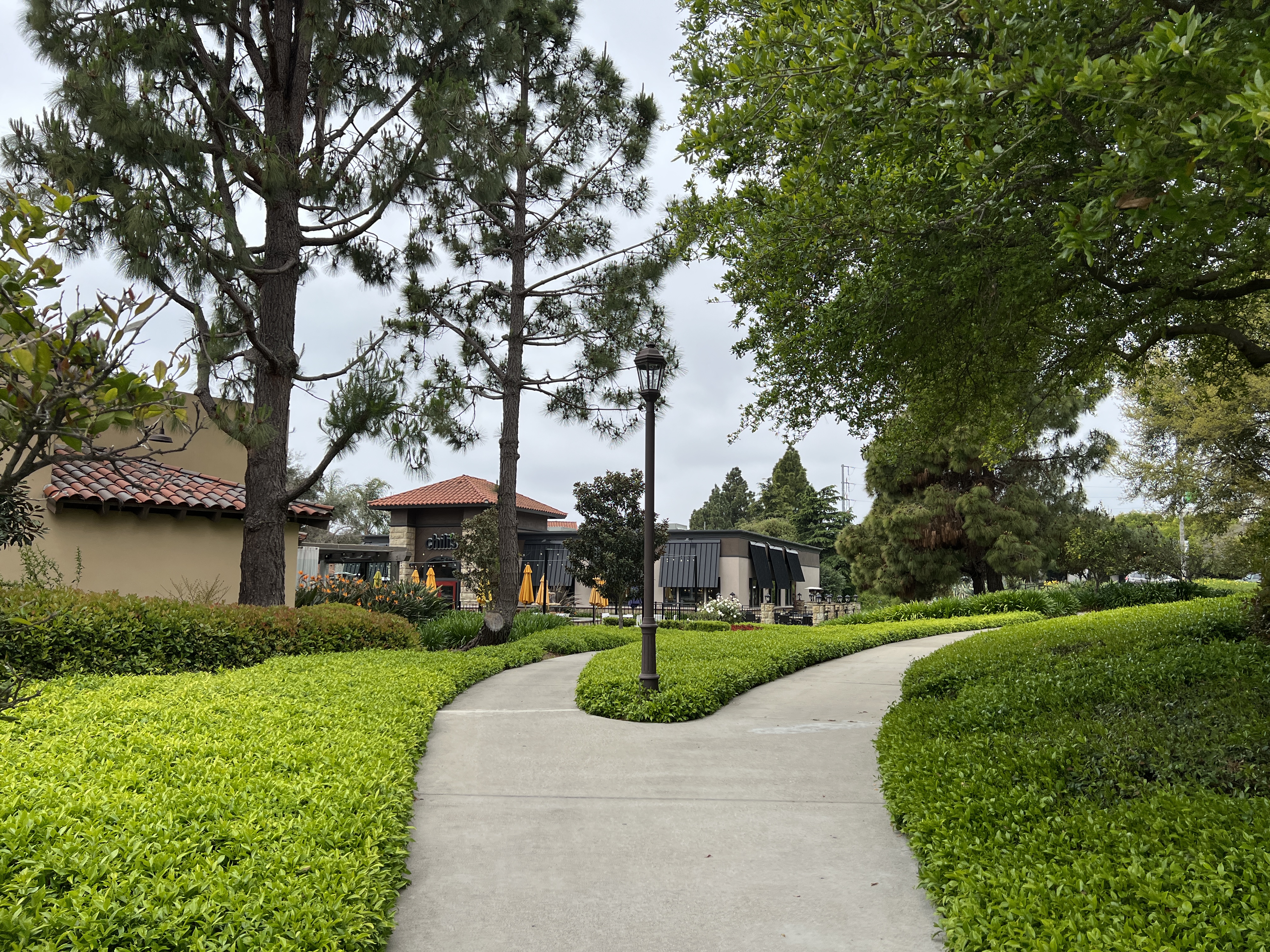
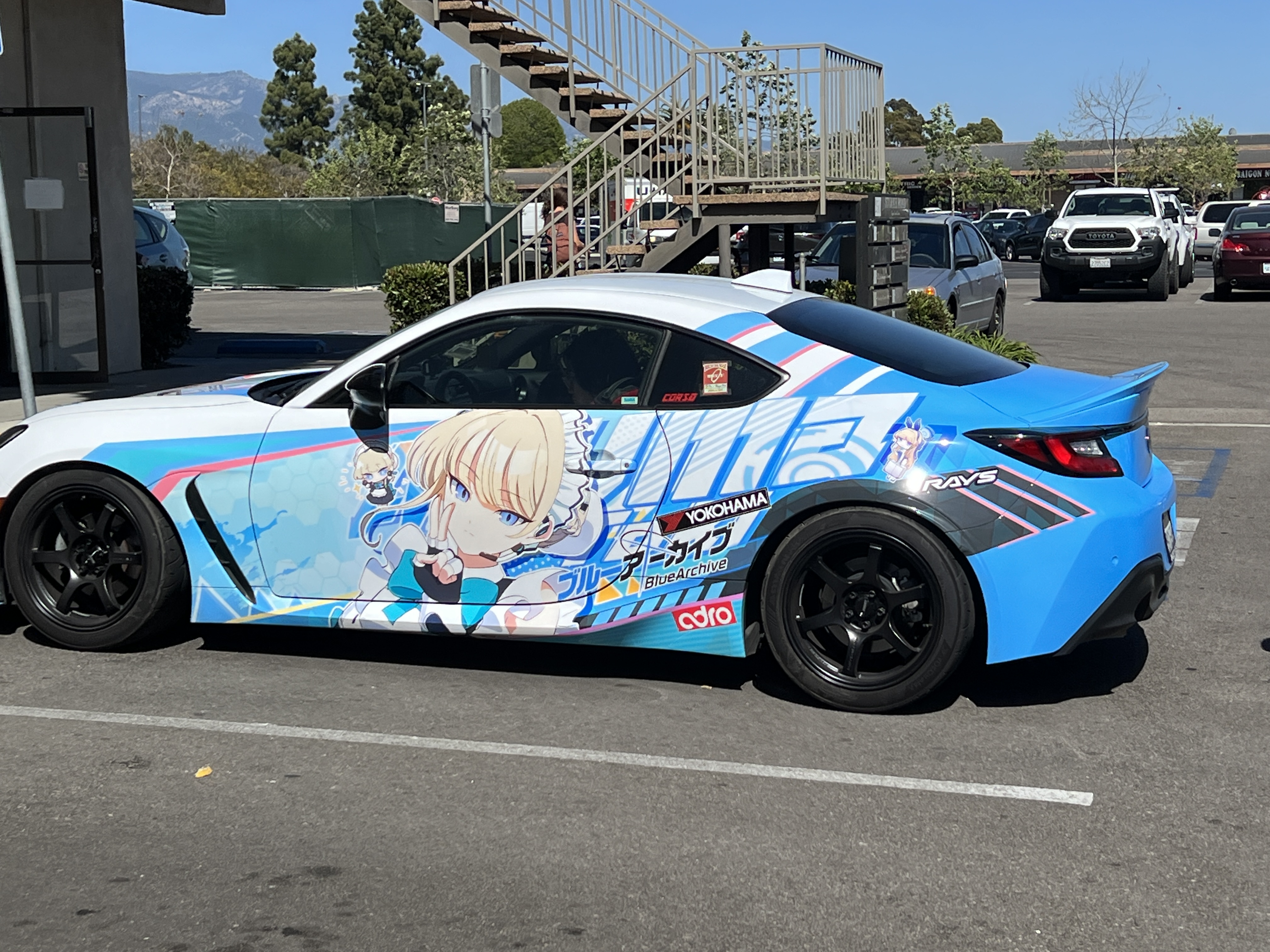
Market Place refers to the commercial shopping center. In the US, outside of densely populated towns, you rarely see the kind of "street-side corner shops" we are used to; instead, you usually have to go to designated large commercial plazas. Boarding the bus right outside the dorms, you can get there in less than 10 minutes. This commercial area covers a huge footprint, feeling subjectively more than twice the size of most commercial complexes in China (even though a significant portion is open-air parking). Besides restaurants and McDonald's, it features big-box stores (Costco, Target), a grocery supermarket (Albertsons), clothing, electronics, a home improvement store, a cinema, and more.
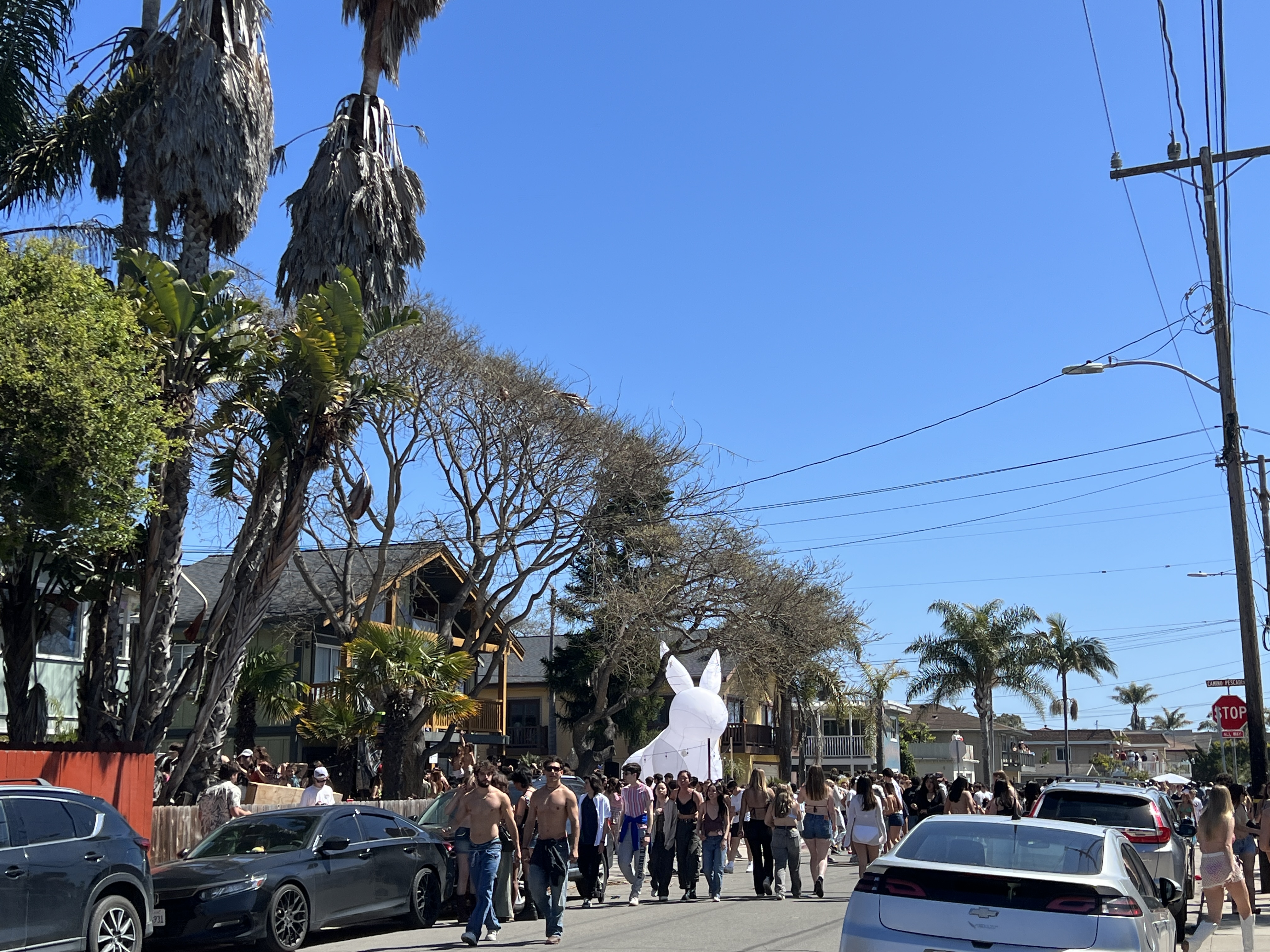
Across from the dorms is a neighborhood known as Isla Vista (abbreviated as IV), a residential area bordered by the campus on maps. Apart from some restaurants in the town, an oceanfront party open to all students and visitors is held every May (which explains why UCSB has been dubbed the #1 party school in the nation), and I went to check it out in person. The houses and yards on both sides of the road along the coast were hosting all sorts of parties, and the entire street was drowned in the cheers of people in swimwear (I wonder if this counts as a unique kind of swimsuit party?). However, the vibe was quite distant from an old homebody like me; after wandering around to soak up the atmosphere, I made a quick escape (..@_@).
Academics and Classes
 |
 |
 |
|---|
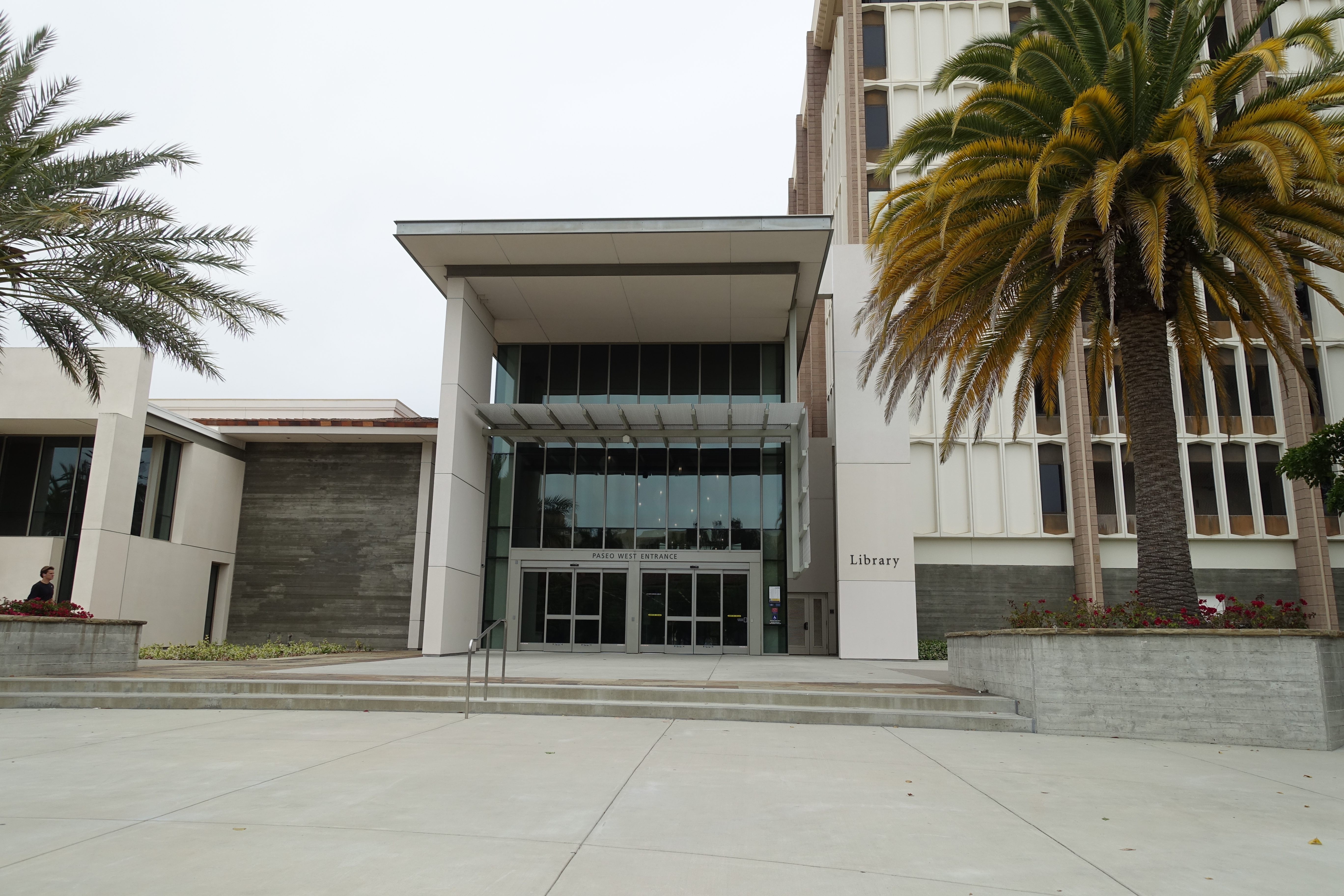
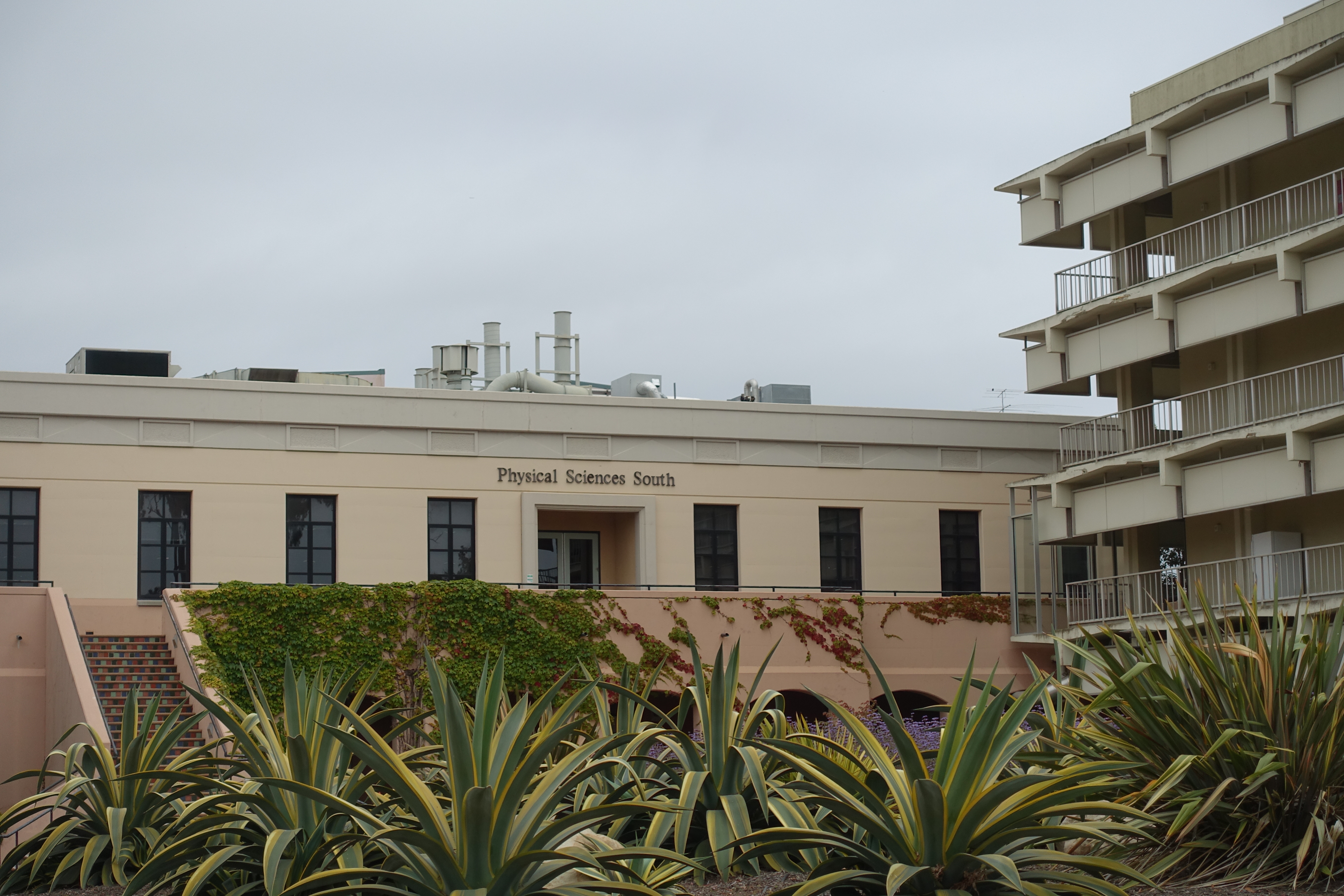
As mentioned above, the UCSB library is located near the center of the academic area. It's often bustling, and because it sits between the main walkway and classrooms on the other side, many people cut through its central lobby between classes.
This was also my first time experiencing undergraduate courses at an American university. UCSB's major course codes consist of a "subject abbreviation + course number"—for example, the computer science courses I took start with CMPSC (or CS). As for the course numbers, higher numbers signify more advanced and specialized courses: generally, single-digit numbers are introductory, two-digit numbers are intermediate, and three-digit numbers are upper-division. Considering credit transfer requirements, I chose one course from each of the three difficulty levels to get a taste. According to my roommates, undergraduate course enrollment at UCSB for the first two years is essentially open without strict major restrictions; as long as you meet the prerequisites, you can take almost any course. However, to officially declare a major later on, you need to satisfy the major's course credits and GPA thresholds. Furthermore, generally speaking, in humanities-leaning majors or majors with large enrollments, professors curve grades much more strictly. For instance, in economics/finance—the second most popular major at UCSB—professors enforce strict grade distribution quotas (meaning that even if everyone meets the absolute passing criteria, the bottom 5% will still fail). In contrast, STEM fields present a different story: in my CS courses over the past few quarters, the average GPA on a 4.0 scale was around 3.7, with most students scoring A- or above. This gave me the impression that many American students are reluctant to major in STEM, while CS 154 had a lot of Chinese and Indian students (who are very adept at getting high scores). That said, the American students who do study CS are remarkably proficient (one American graduate TA for CS 154 reportedly published an IEEE journal paper back in his sophomore year).
American courses typically consist of 2-hour lectures + 50-minute sections. Lectures are large classroom instruction taught by the professor at fixed weekly times. Sections allow students to join discussions in specific classrooms according to their schedules, where TAs explain course and lab assignments or answer questions. Overall, the weekly workload for CS majors felt manageable. The weekly labs or homework assignments were actually quite challenging (another student and I often met up to discuss and tackle problems together, and solving each one was very rewarding); whenever we hit a real roadblock, asking the TAs always helped us resolve it.
Downtown
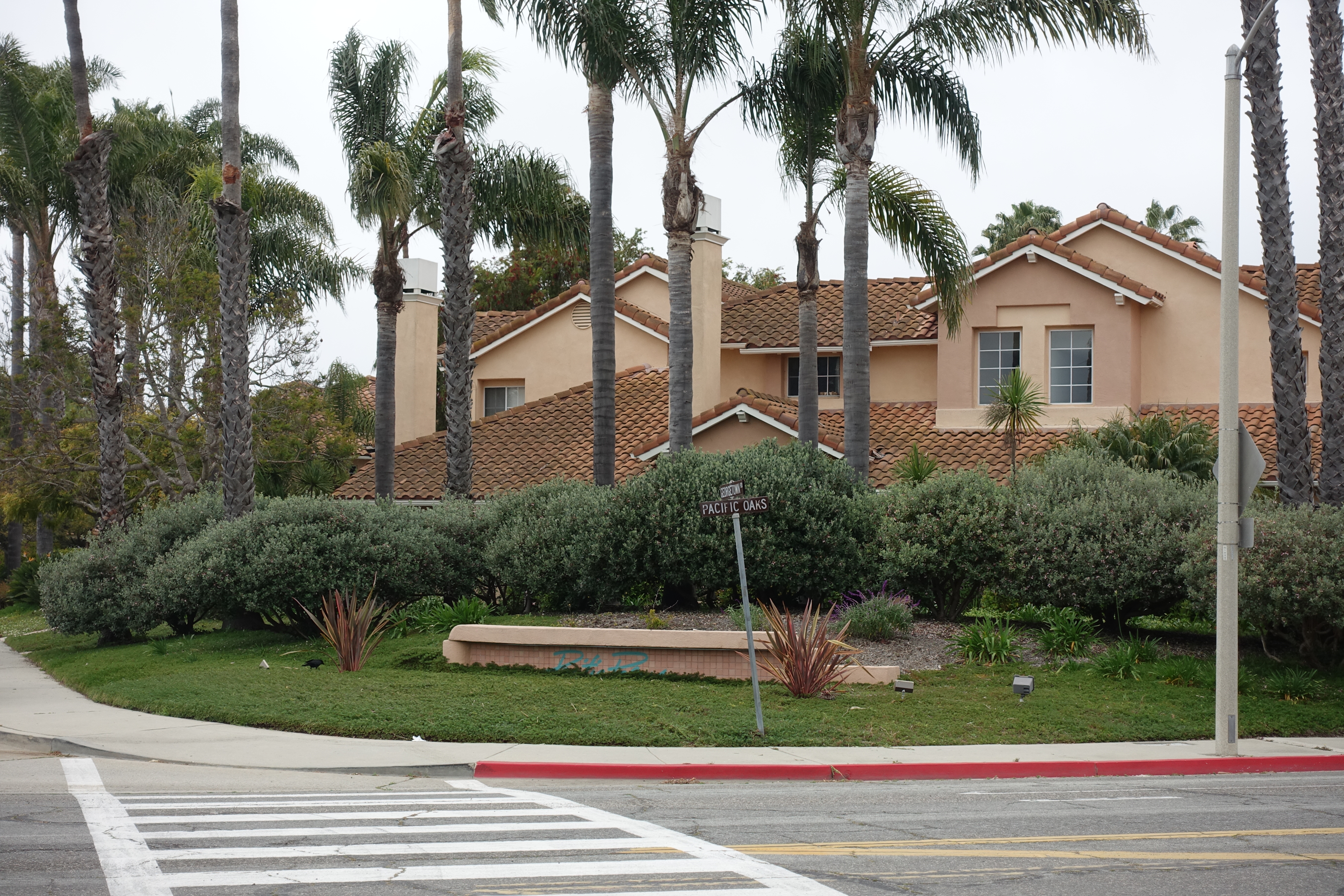
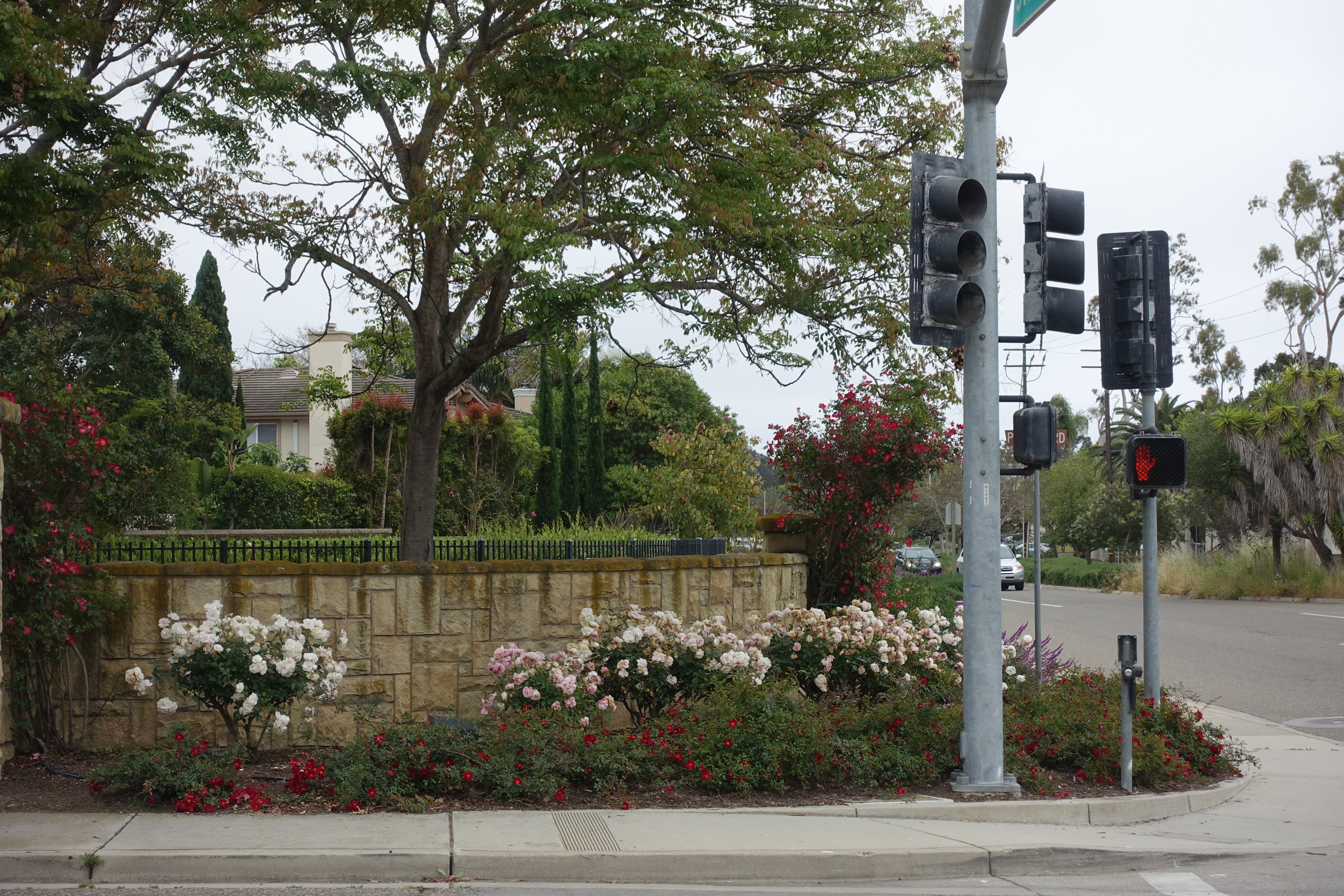
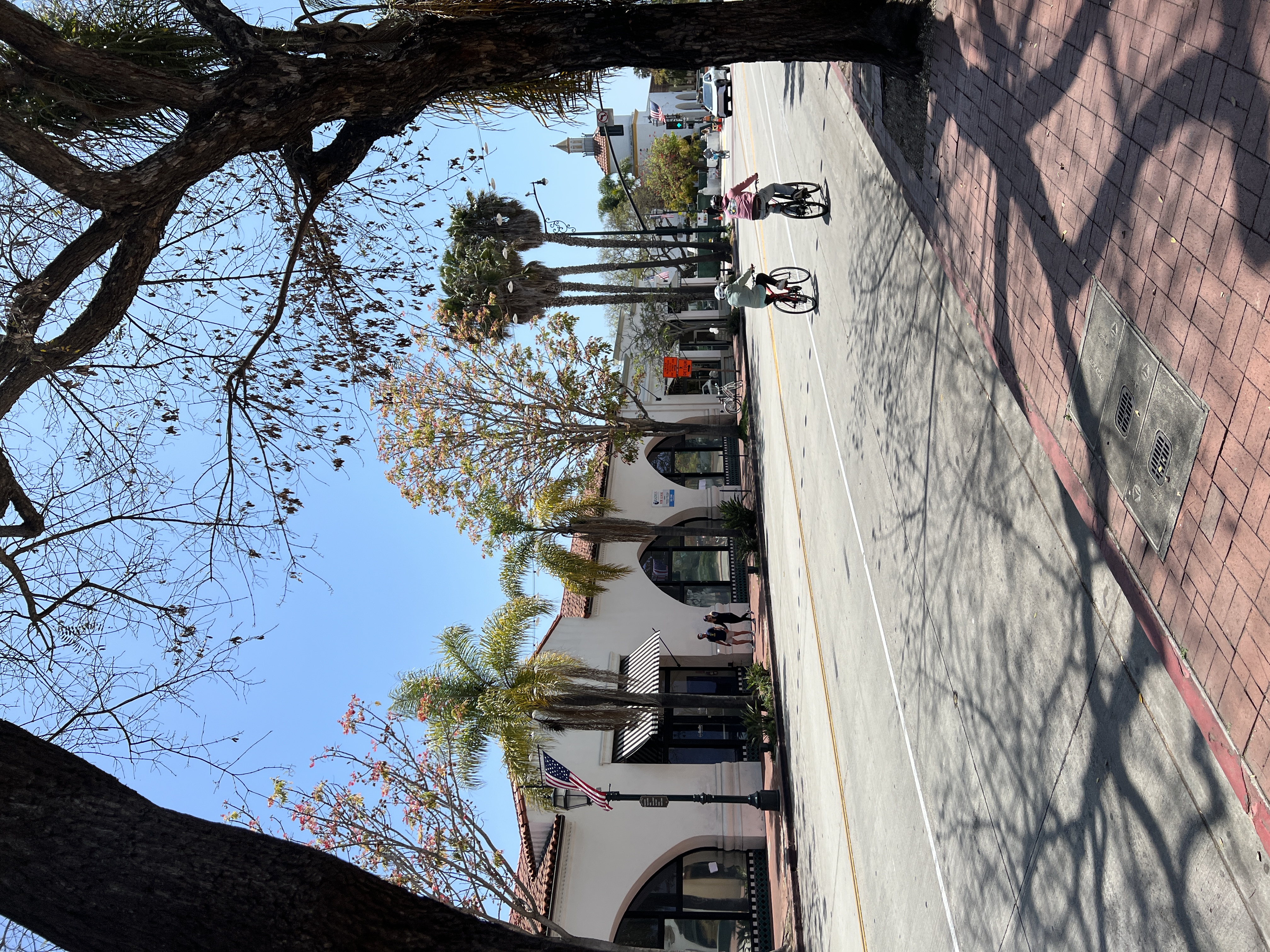
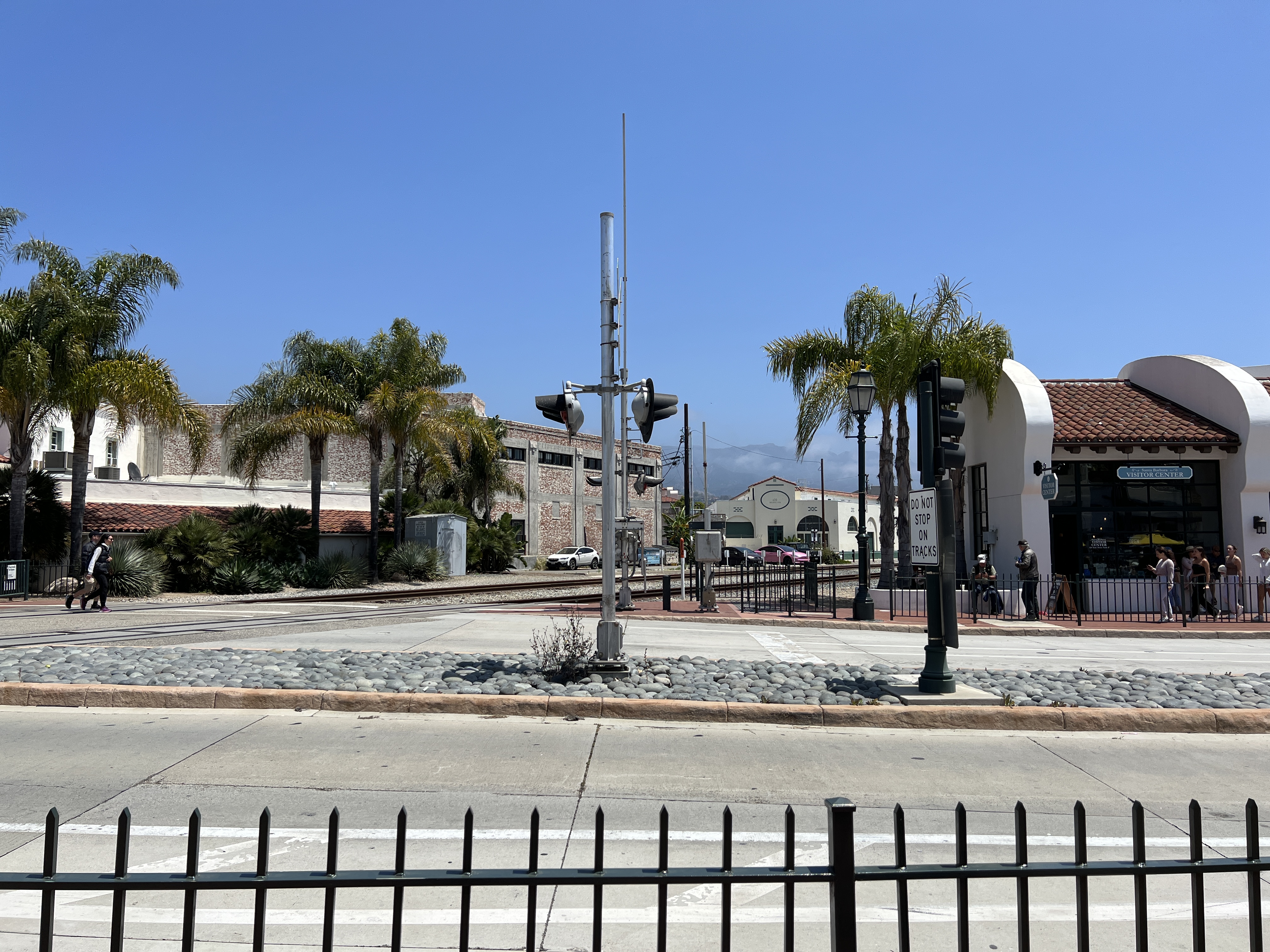
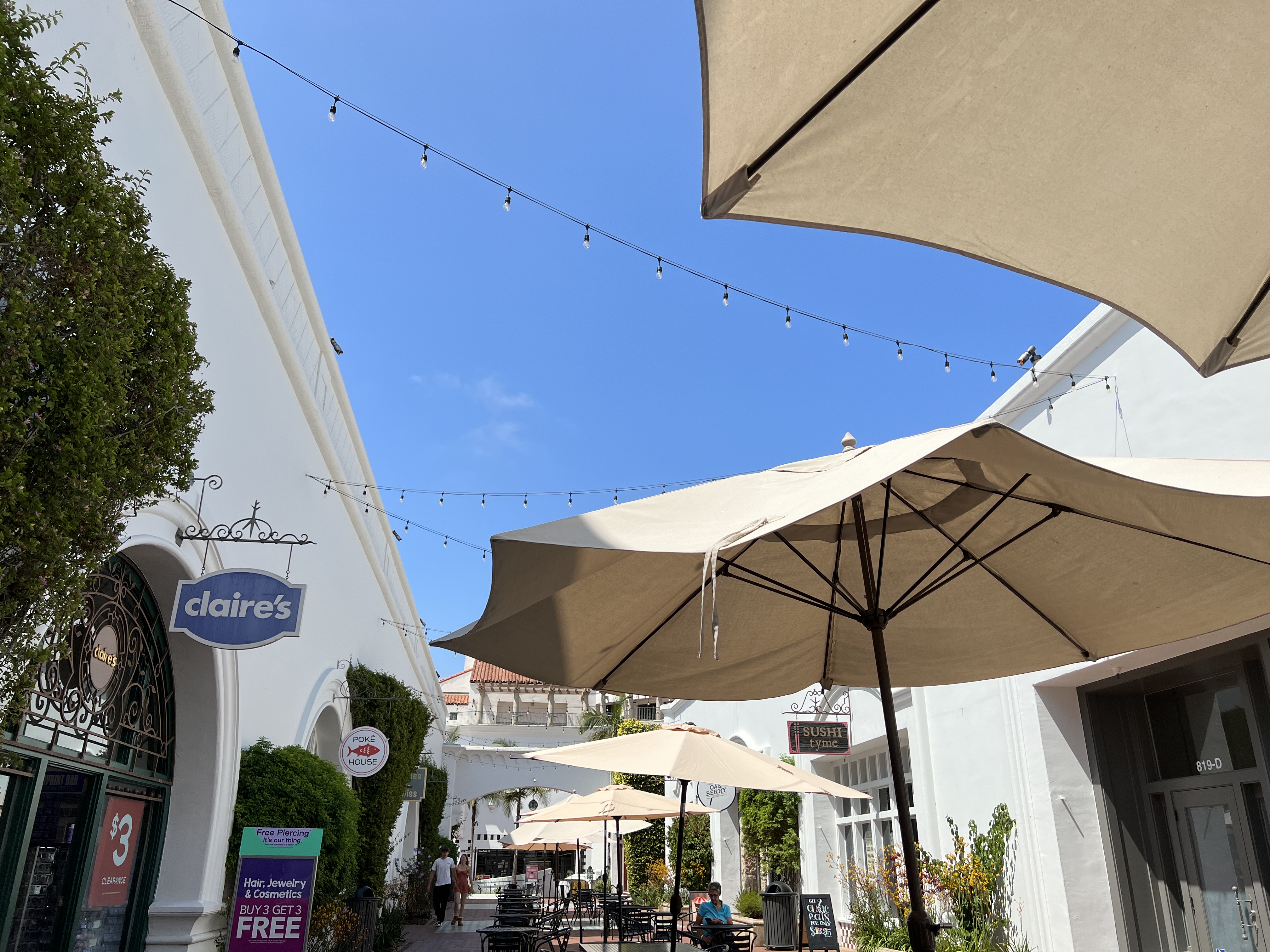
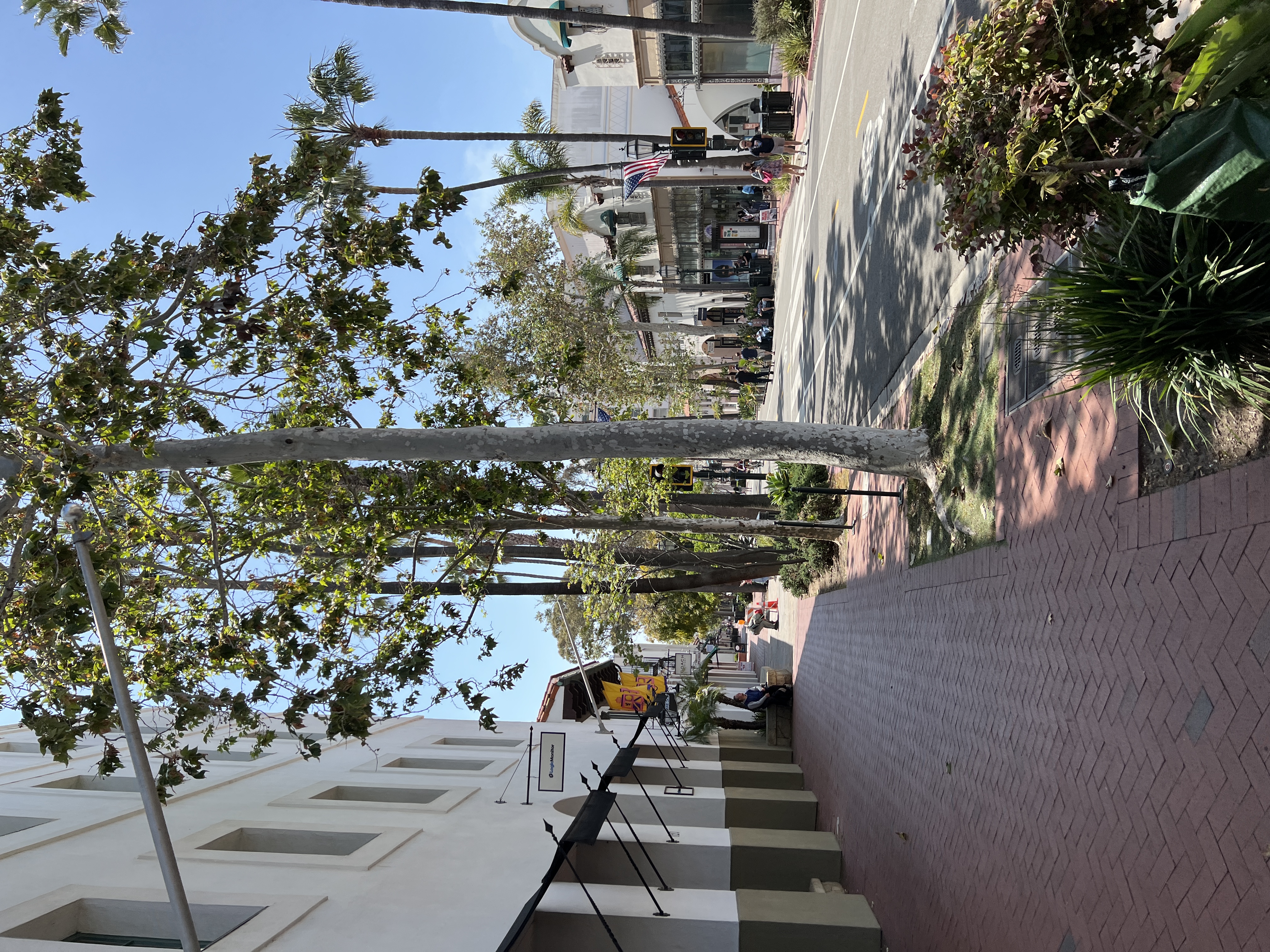
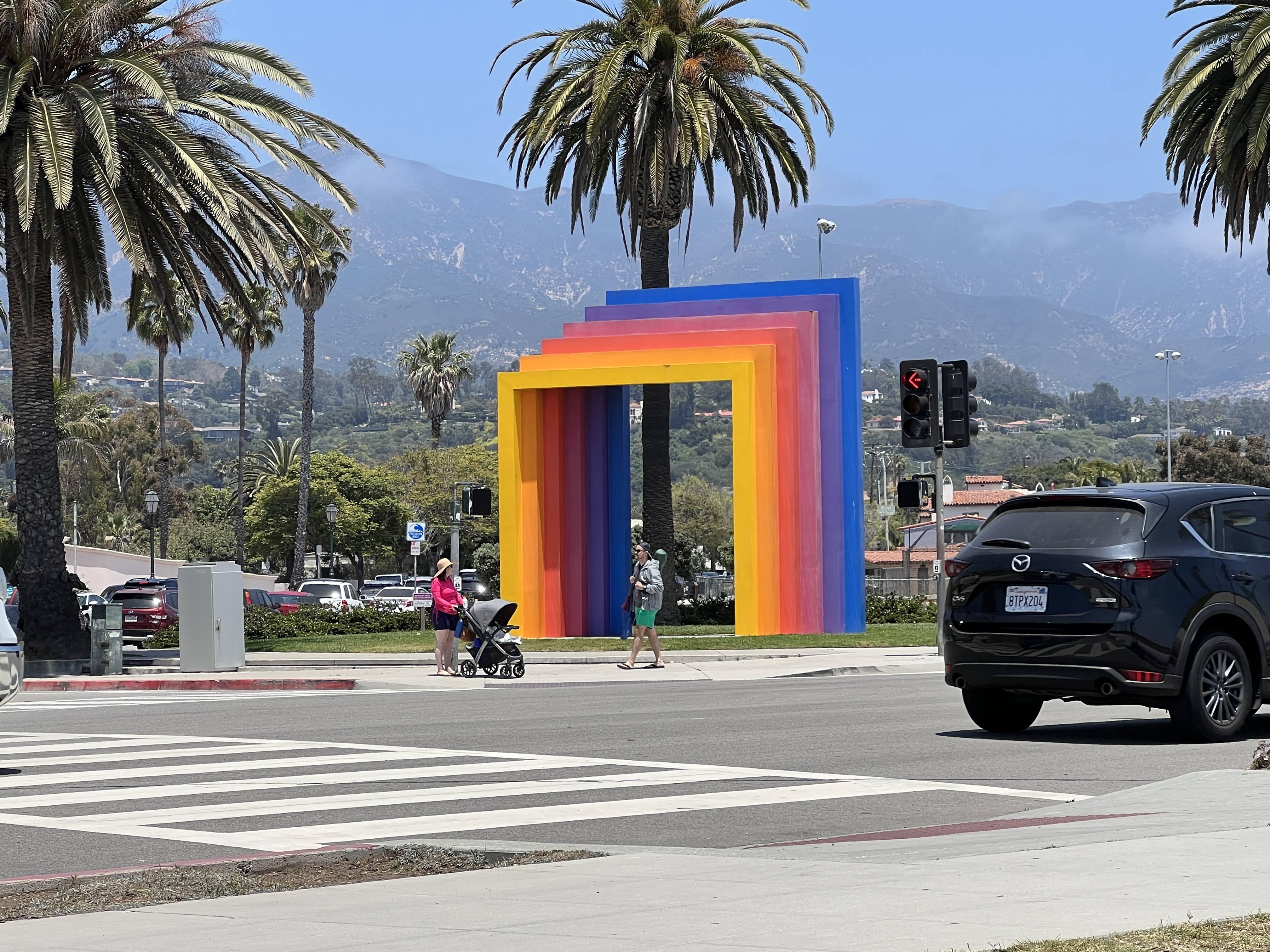
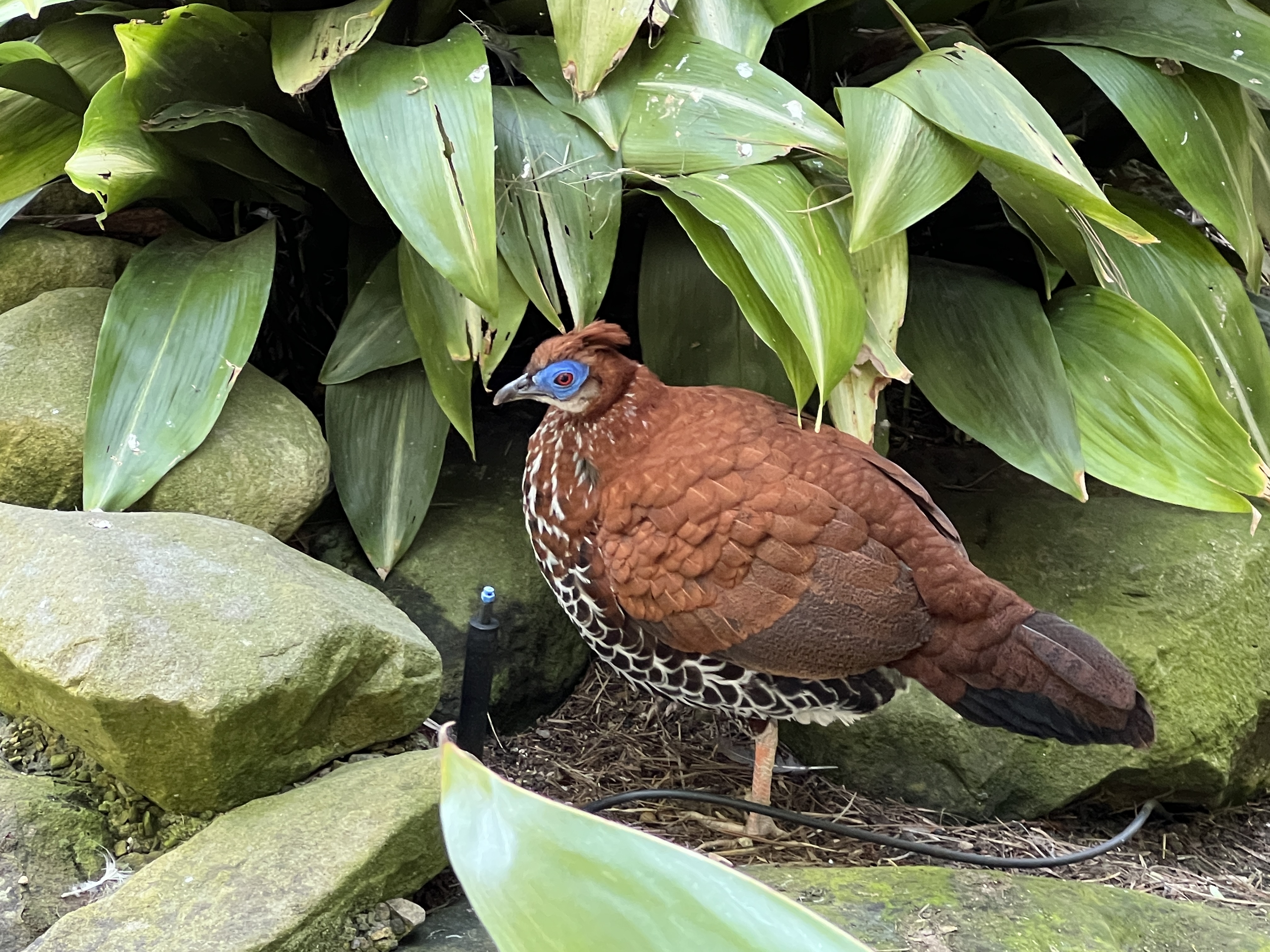
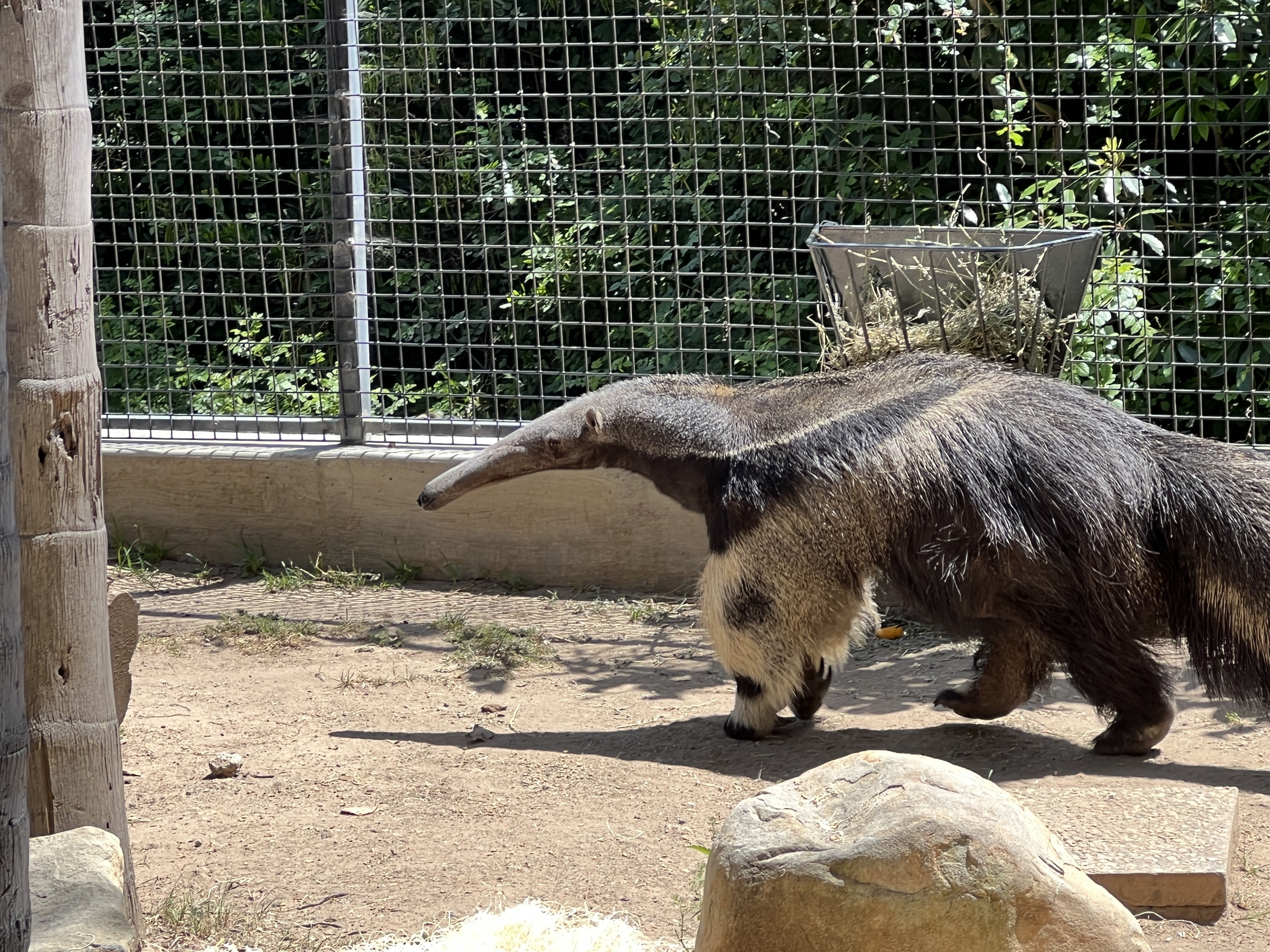
Although I attended classes at UCSB for three months, UCSB—or the primary area where I spent my time—was not actually the true city of Santa Barbara. The city where UCSB is located is named Goleta, while the adjacent Santa Barbara Downtown is Santa Barbara proper, though both now belong to Santa Barbara County. Coinciding with an American holiday, I took advantage of my free time to visit Downtown and experience the charm of this coastal town. My writing skills are modest, so I won't describe it with inadequate words. Instead, I'll let the photo album from this Santa Barbara trip speak for itself.
 |
 |
|---|---|
 |
 |
 |
 |
 |
 |
 |
 |
To be updated, perhaps...