两月半美国交换之旅: At UCSB
大三下学期,笔者参加了学校合作的国际访学项目,即UIP(University Immersion Program),于加州大学圣芭芭拉分校(University of California Santa Barbara)进行为期两个半月的学习,并写下此文用以简单记录历程。
初至美国,圣芭芭拉
本人是第一次前往美国生活和学习。初来乍到就是独自生活与学习两个半月,感觉还是有些不安。互联网的发达与便利让我在到达西海岸之前就对这个地方有了一个初步的印象。不过网络上的信息来源纷杂,真真假假难辨,实际感受才能得知一二。
前往目的地是从上海虹桥到洛杉矶国际机场直飞,共大约16个小时飞行时间。说实在也确实是我坐过的最长的航线(其次是初中前往澳洲时坐的,大约12小时,不过之后返程时所乘坐的时间更长)。抵达洛杉矶后,由合作的交流机构安排接机前往圣巴巴拉。
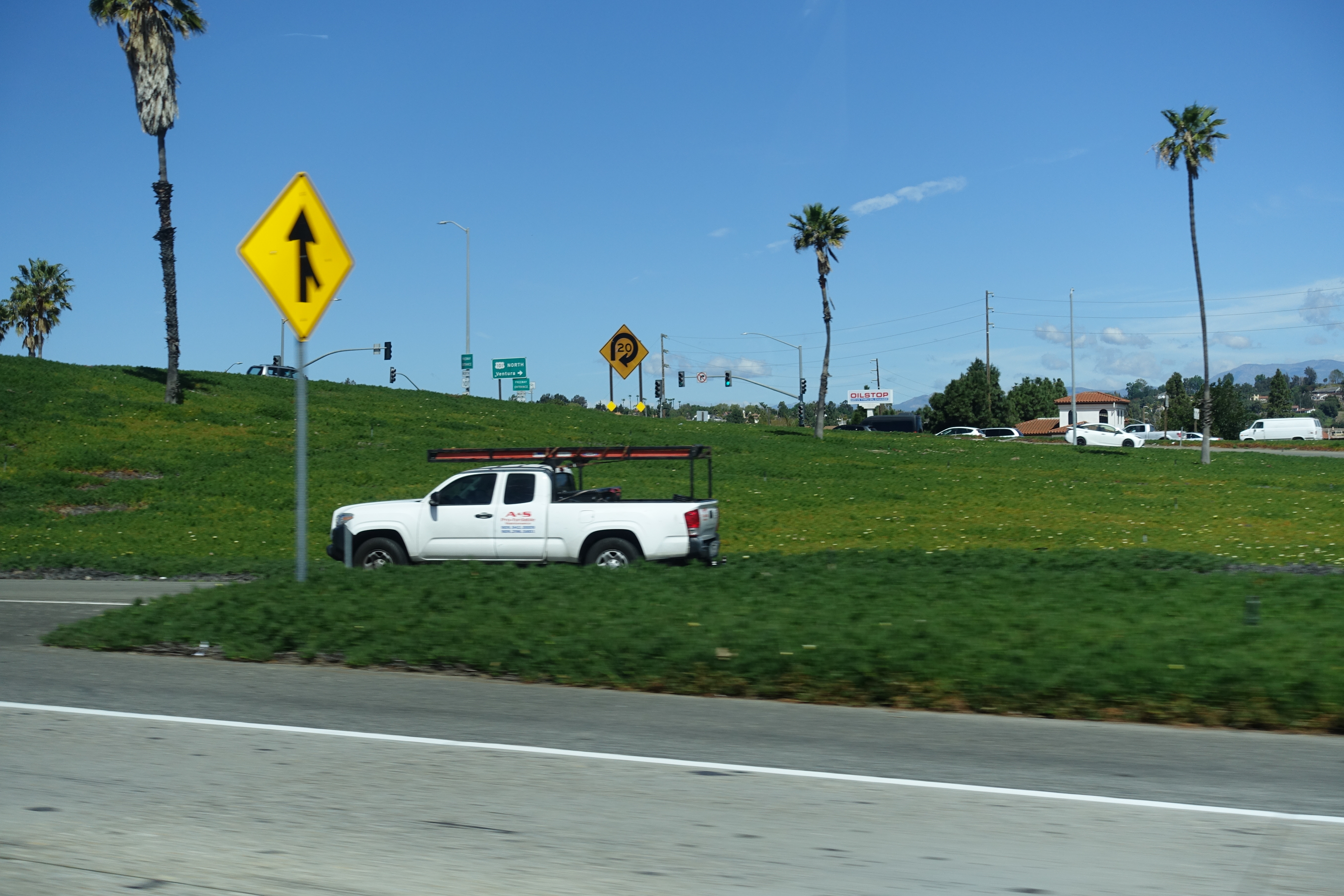
来到洛杉矶,前往圣巴巴拉的路程大约2个小时。来到那里给我的第一印象就是,宽敞,特别宽敞。虽说洛杉矶是大城市,但从机场出发到离开洛杉矶的过程中,基本没有见到高密度的房屋群,且主路非常宽,直行车道一个方向往往有5条车道,车很多但并不拥挤,几乎所有建筑都有车辆驶入的通道和停靠点,令人感叹不愧是“车轮上的国家”。但相比机动车道,人行道就不算很方便了。人行道红绿灯与机动车道的是分开跳变的,在按下通行按钮后,往往还要等机动车跳完一轮才跳(不知道是不是这样的设计,但我体感来说相比国内确实要等更长时间),并且很多主路上基本不设置人行道,一些十字路口只有两边有人行道(如果另一边要通过只能提前一个路口到对面去)。没车寸步难行真不是说说的。
 |
 |
 |
|---|
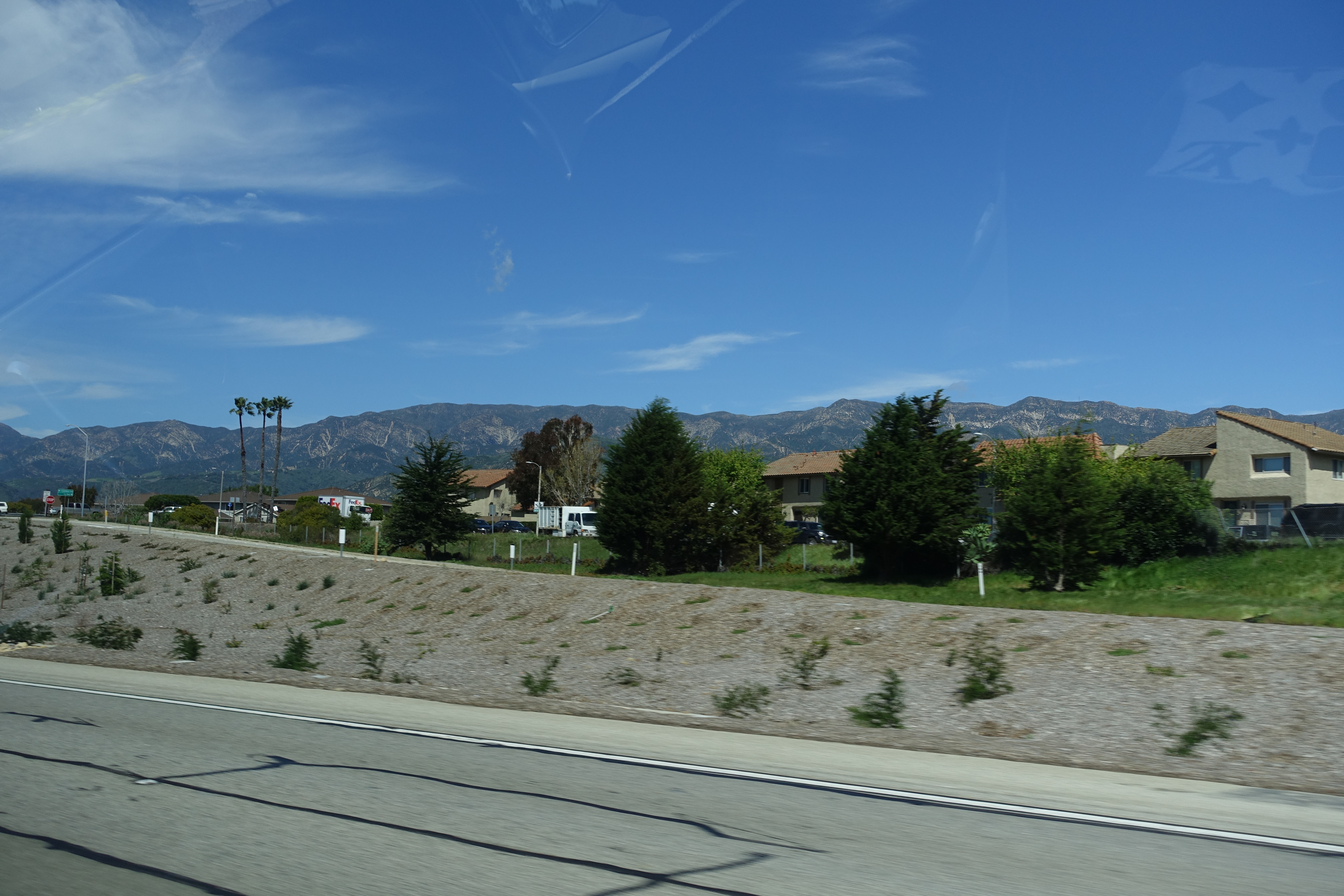
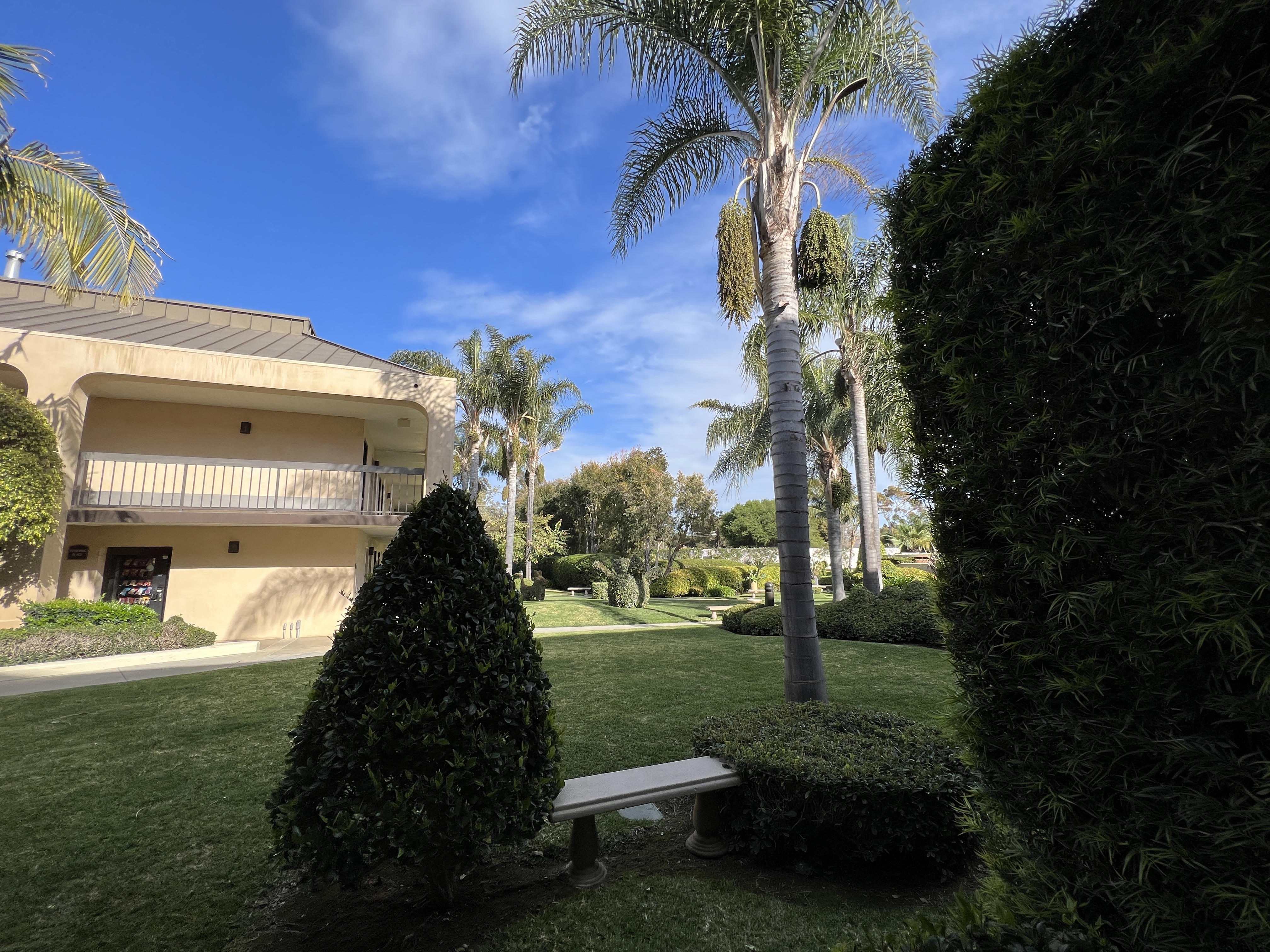
圣芭芭拉是海边城镇,沿路的风景不错。
校园,住宿,与周围
 |
 |
 |
|---|
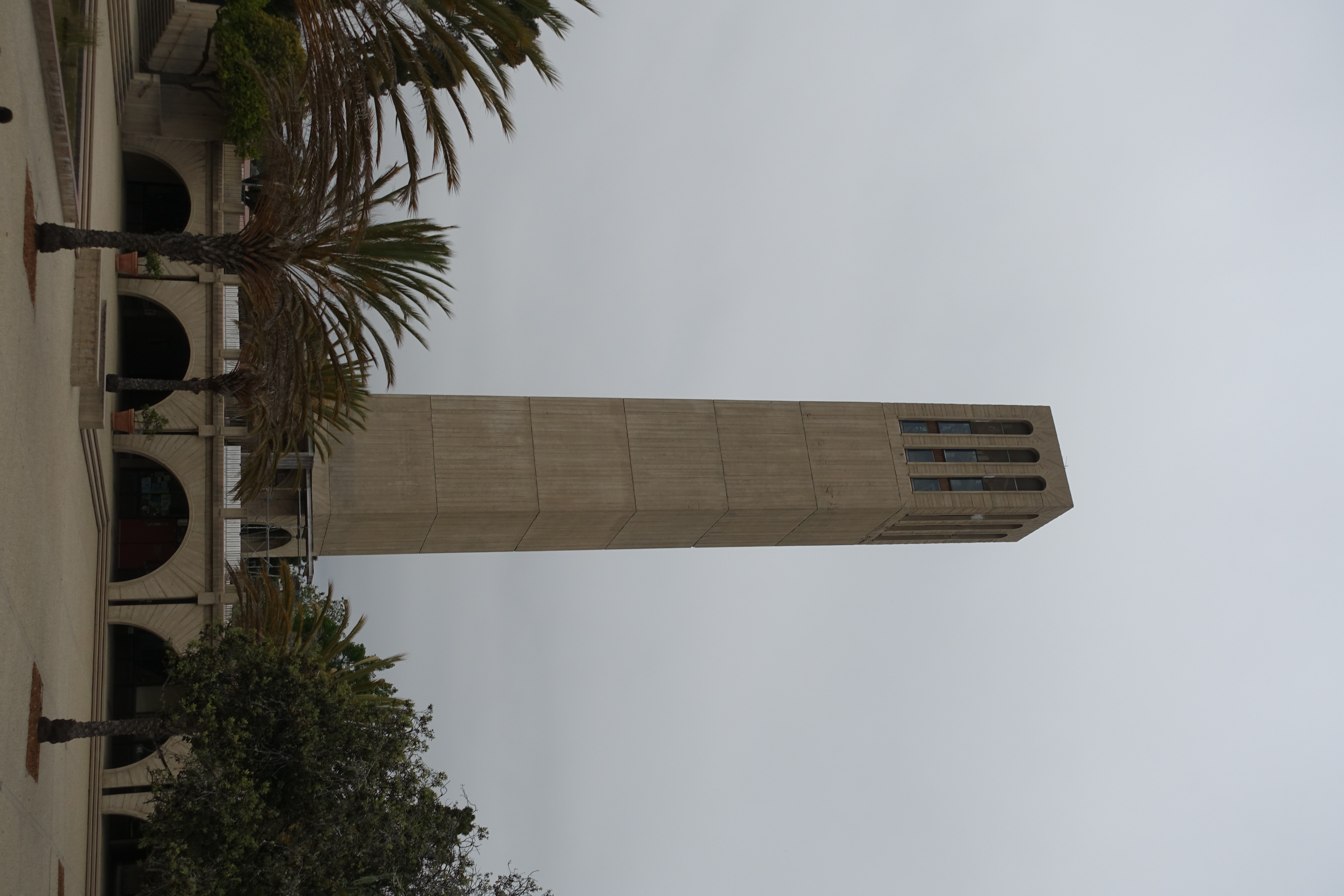
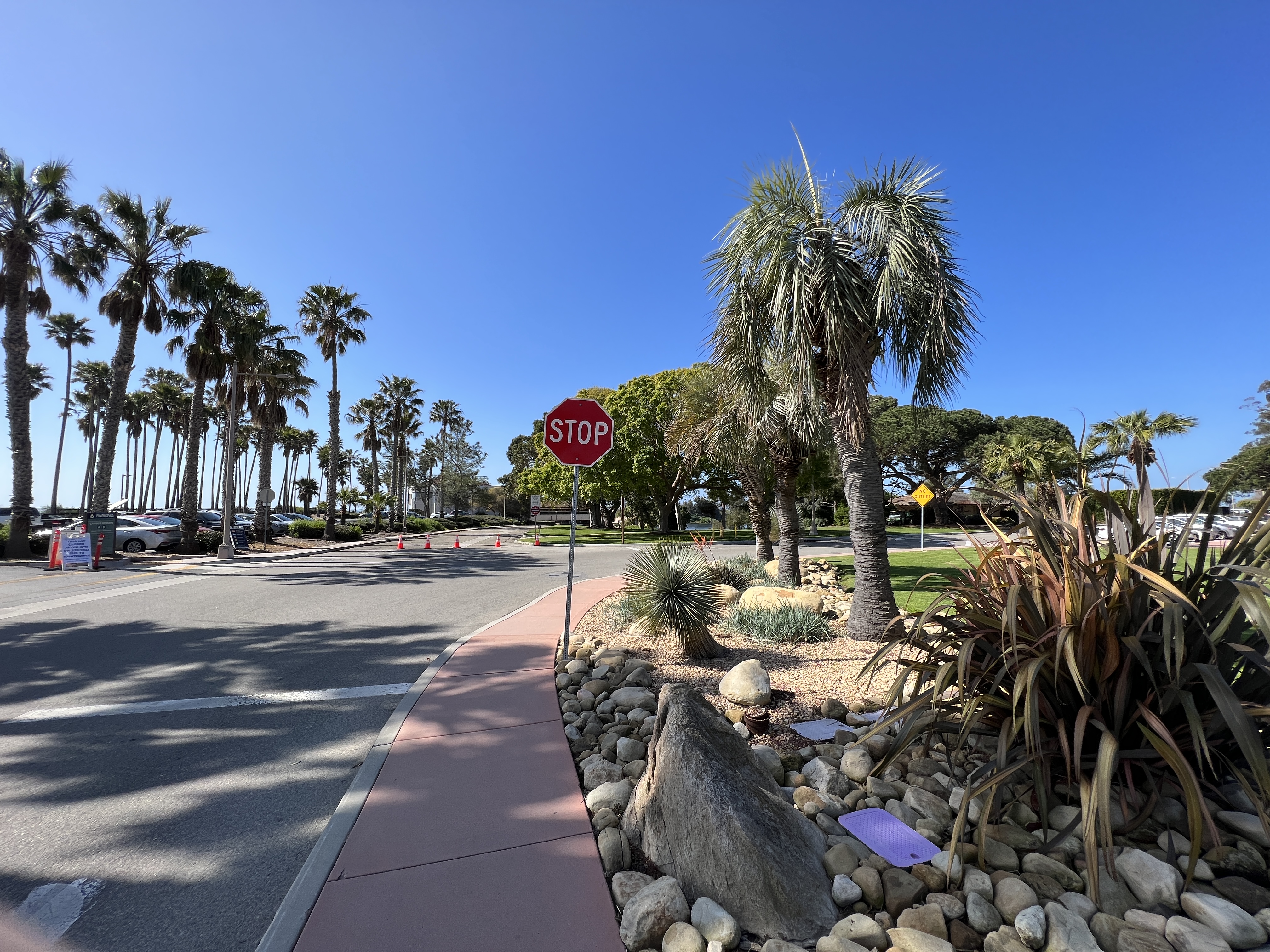
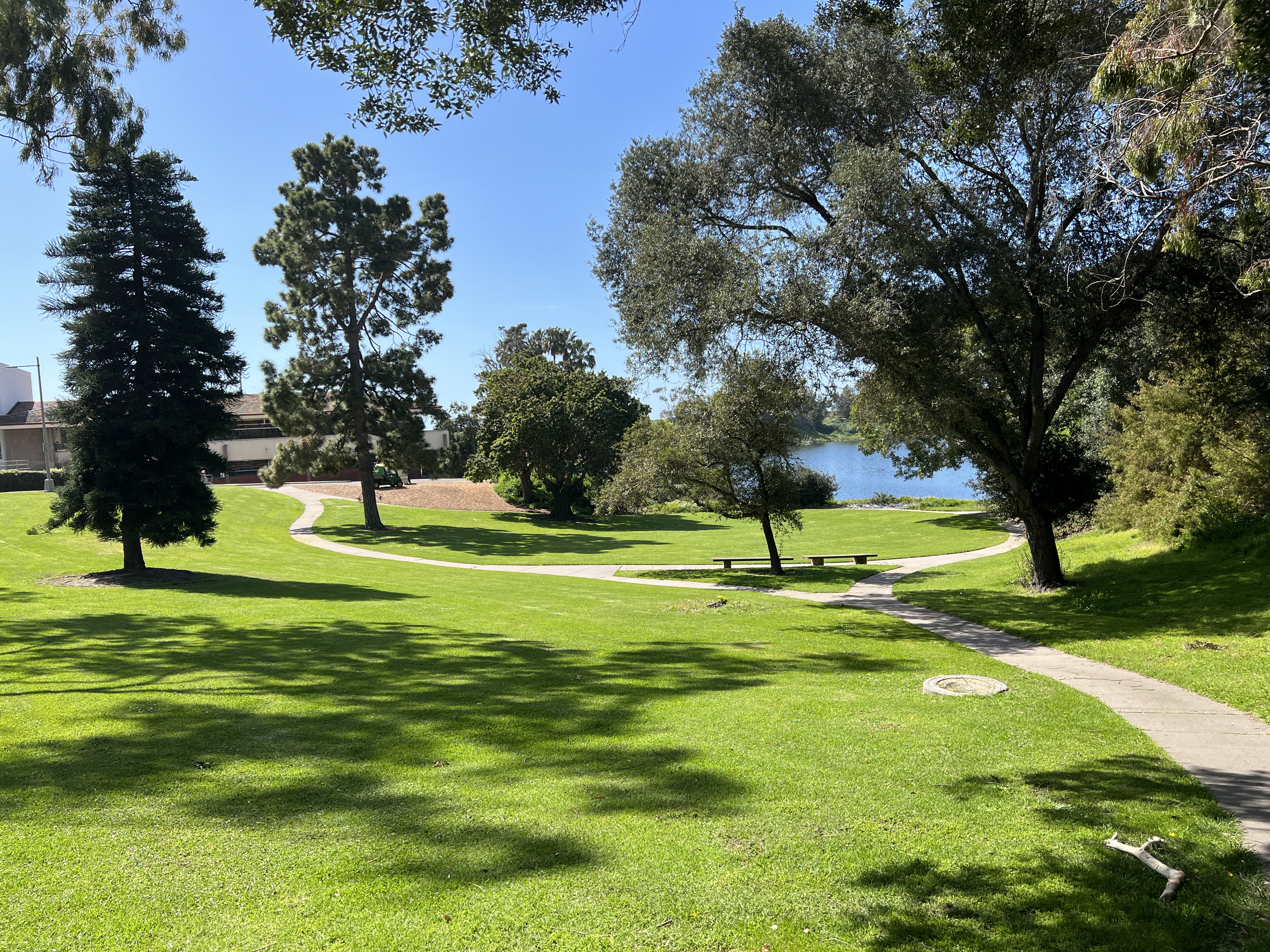
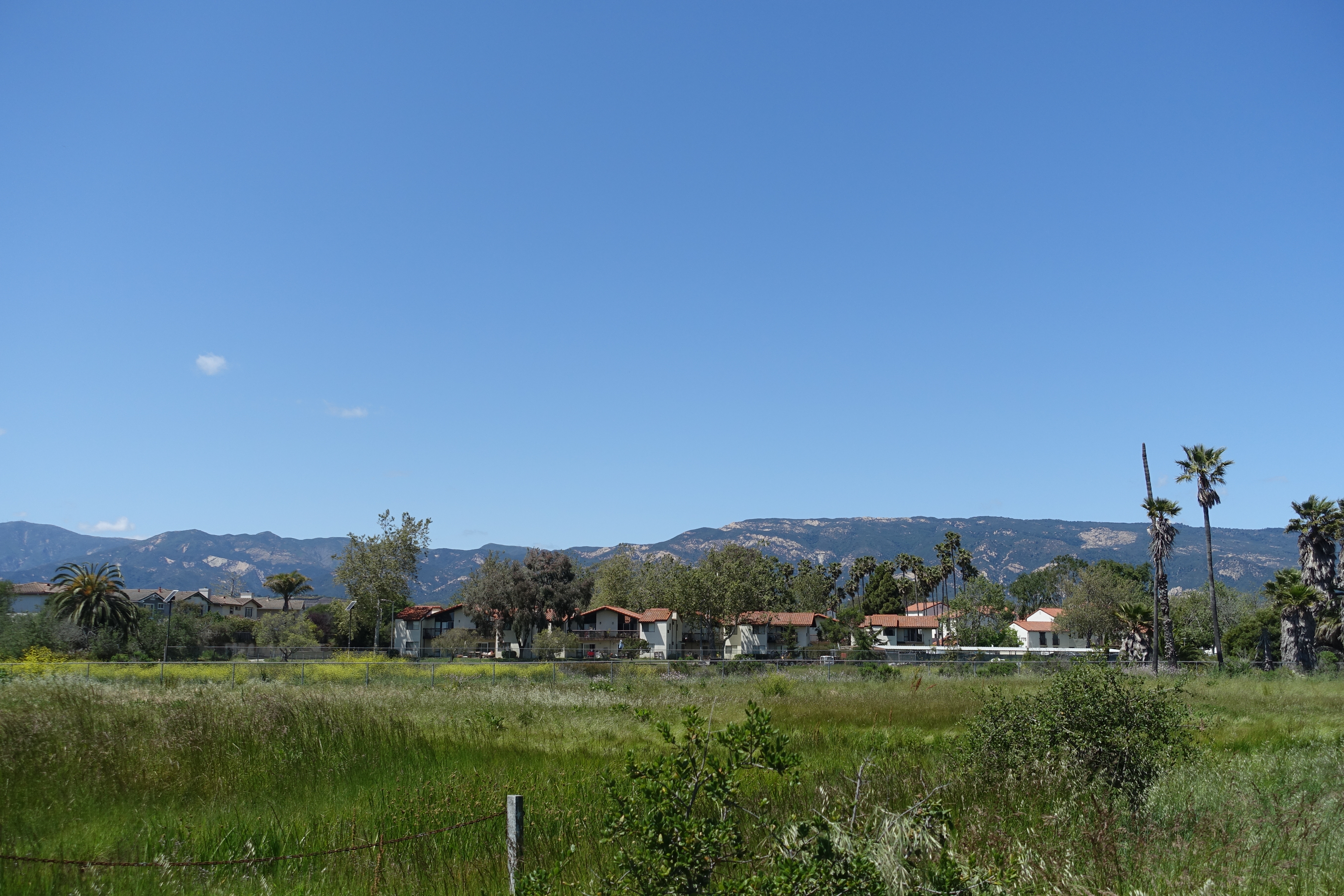
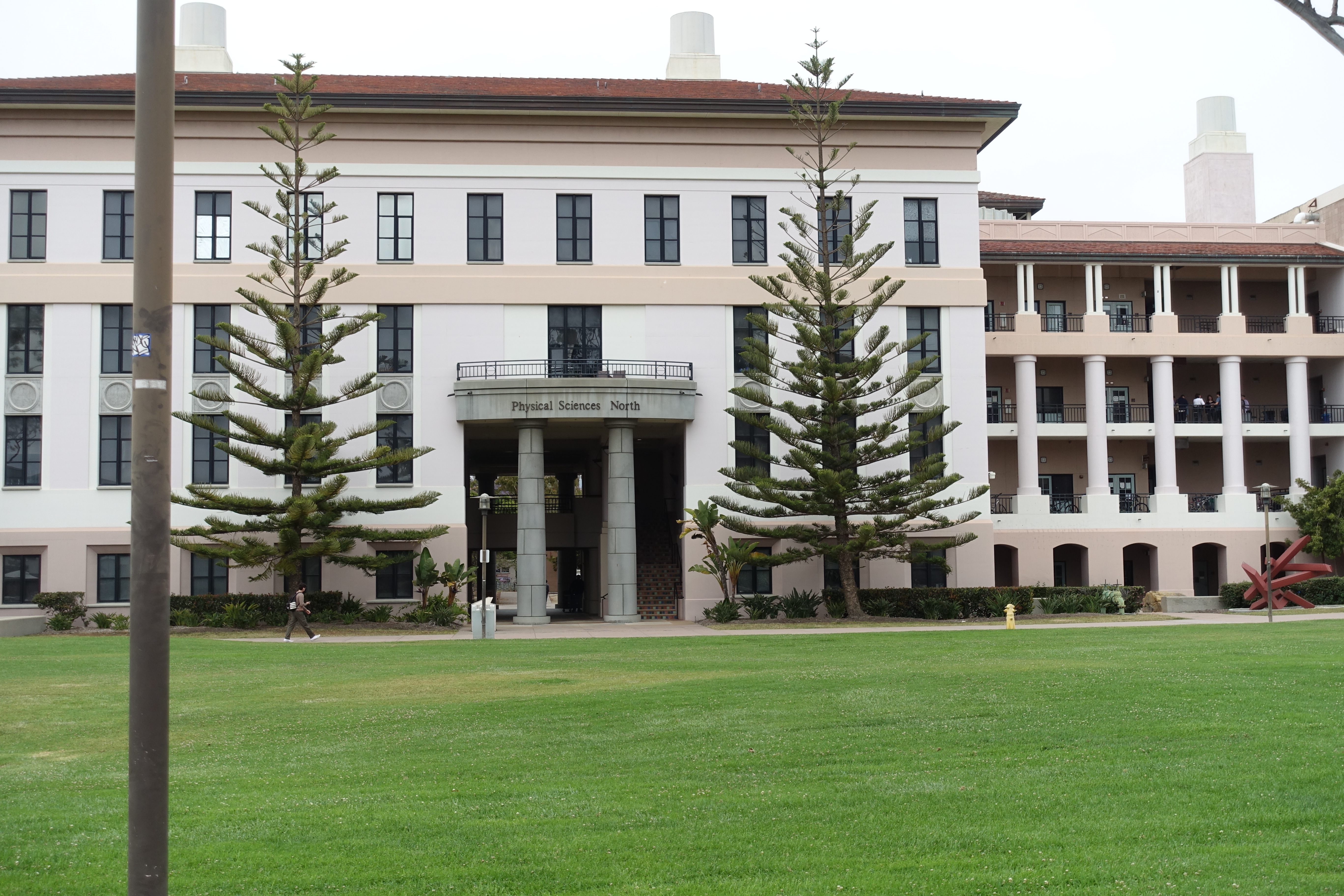
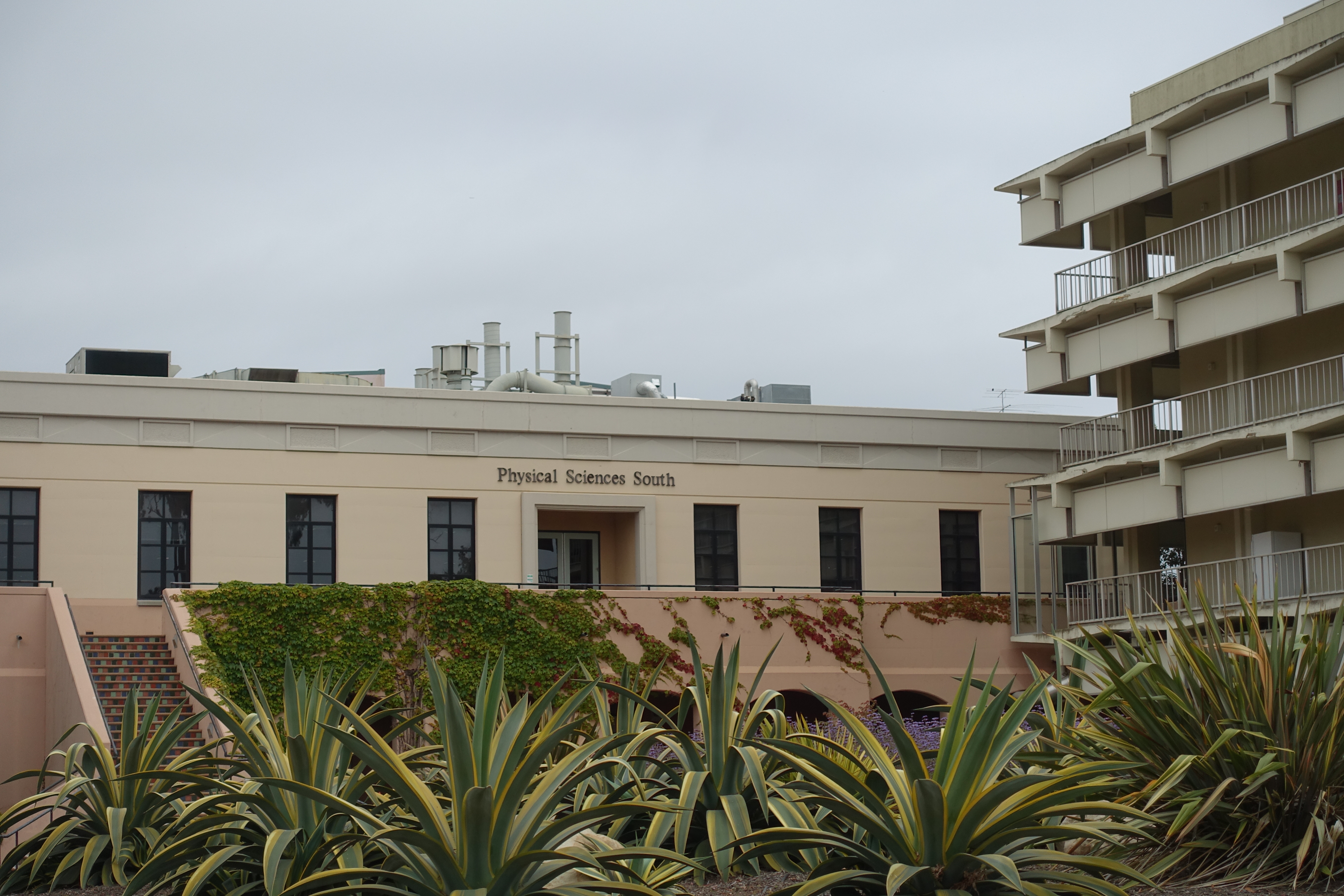
开学的前两天来到校园的教学区逛了一圈。听说UCSB校园就是圣芭芭拉的标志性景点之一。整个学校从俯瞰呈倒的凹字型。其中靠东南的一侧为主要教学区,靠海,包括区域的主要公交站点也在这里(这两个月的出行都靠公交了)。靠上方的一横条的街道是宿舍区,一条街两侧都为住宿区。另一侧则基本是自然景观和自然保护区(其实就是一大片荒地)。如果仅算学校主要教学设施区域,校园其实不能算很大(相比于国内比较好的大学而言)。校园很漂亮,物理楼和工程楼出来就能直接到海边,有不少当地人喜欢在海边街道骑行和遛狗。
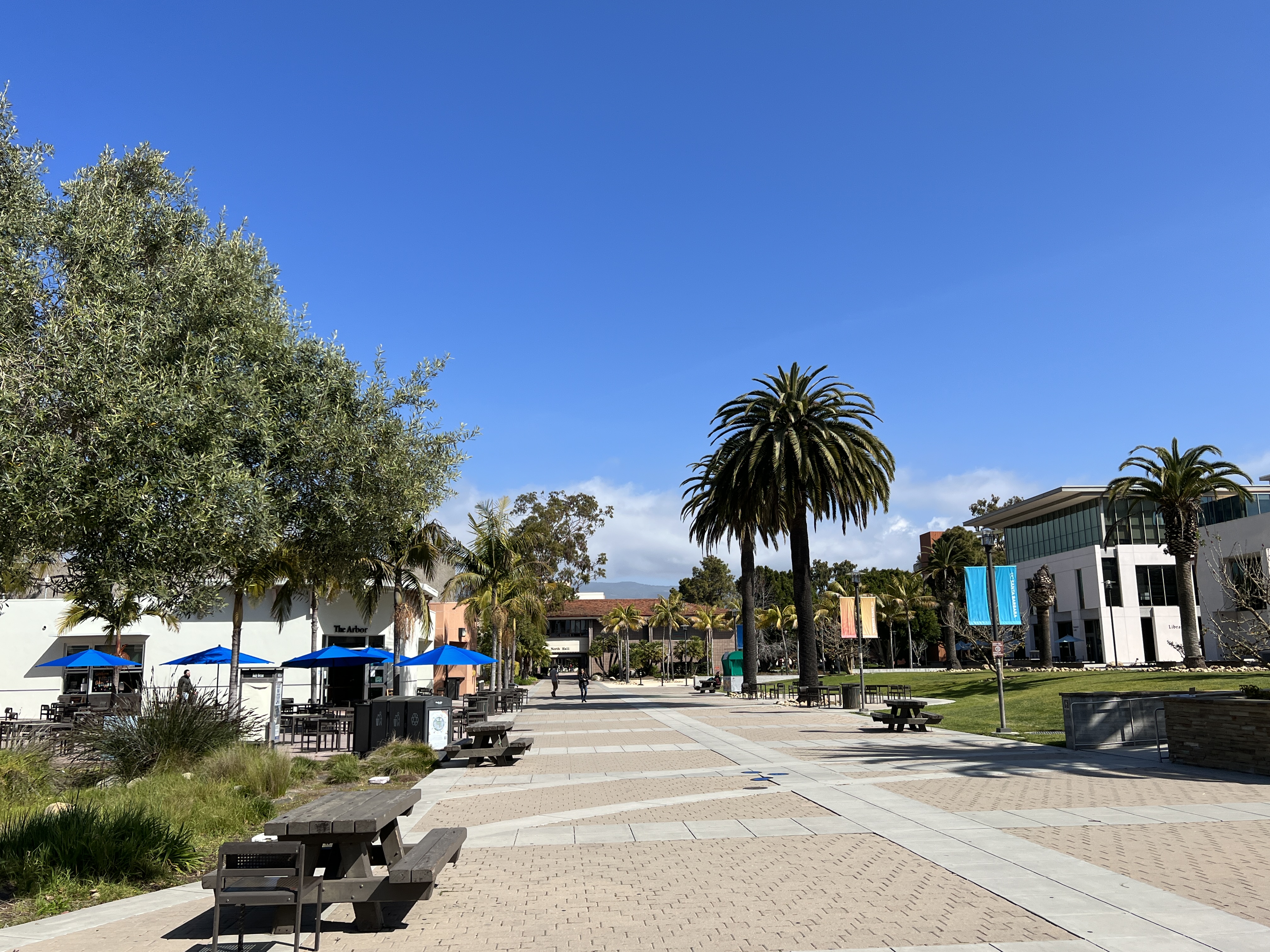
学校最热闹的地方在图书馆前的一条主走道,学生会在这里举行各种活动。特别是中午的时候会有很多学生在草地上躺着晒太阳或者学习看书。当地的阳光很好,而且一点也不热(实际上我在这里的近三个月气温基本没有变过,都在11~23摄氏度左右,不愧是地中海气候)。
 |
 |
 |
|---|
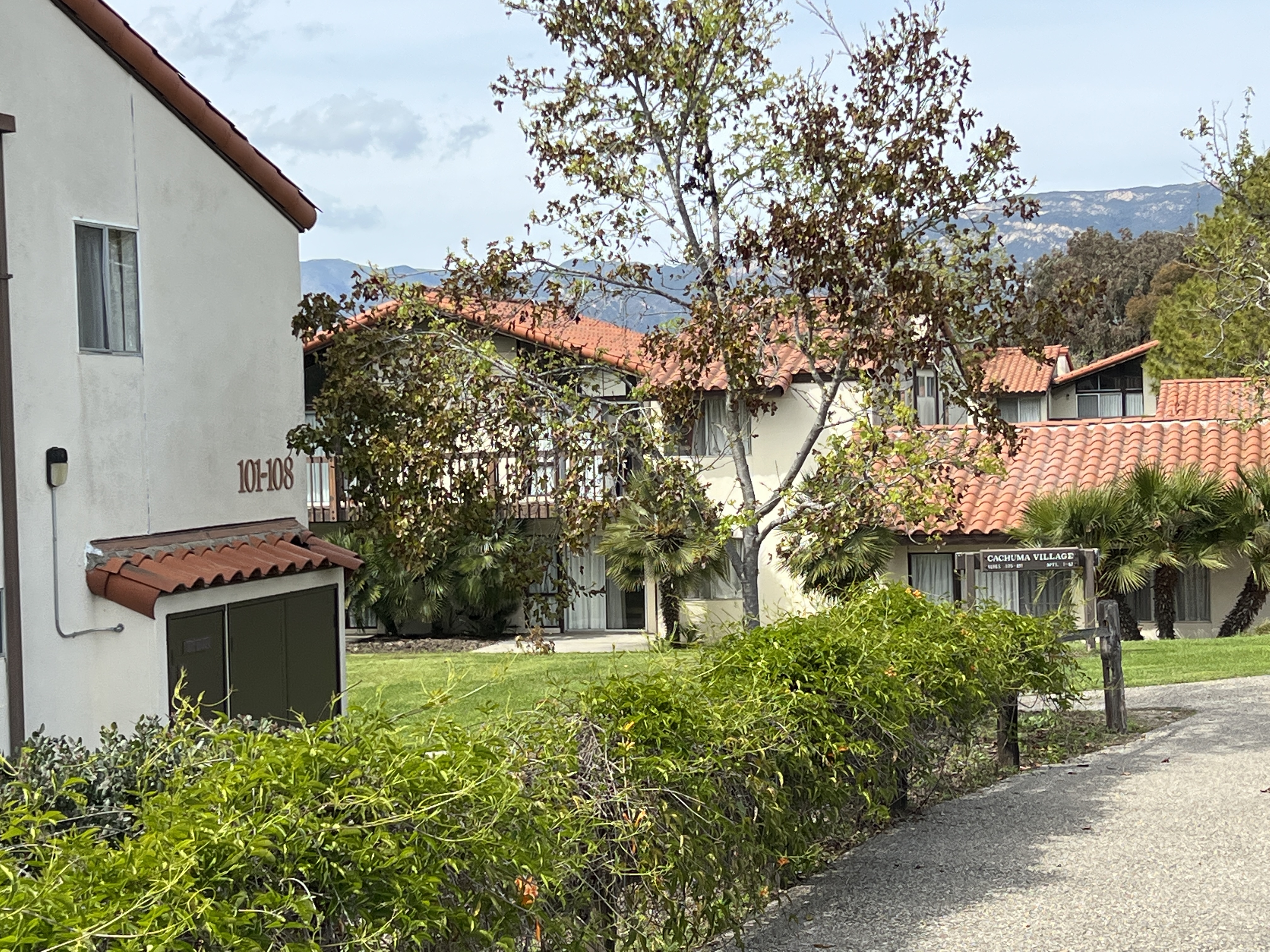
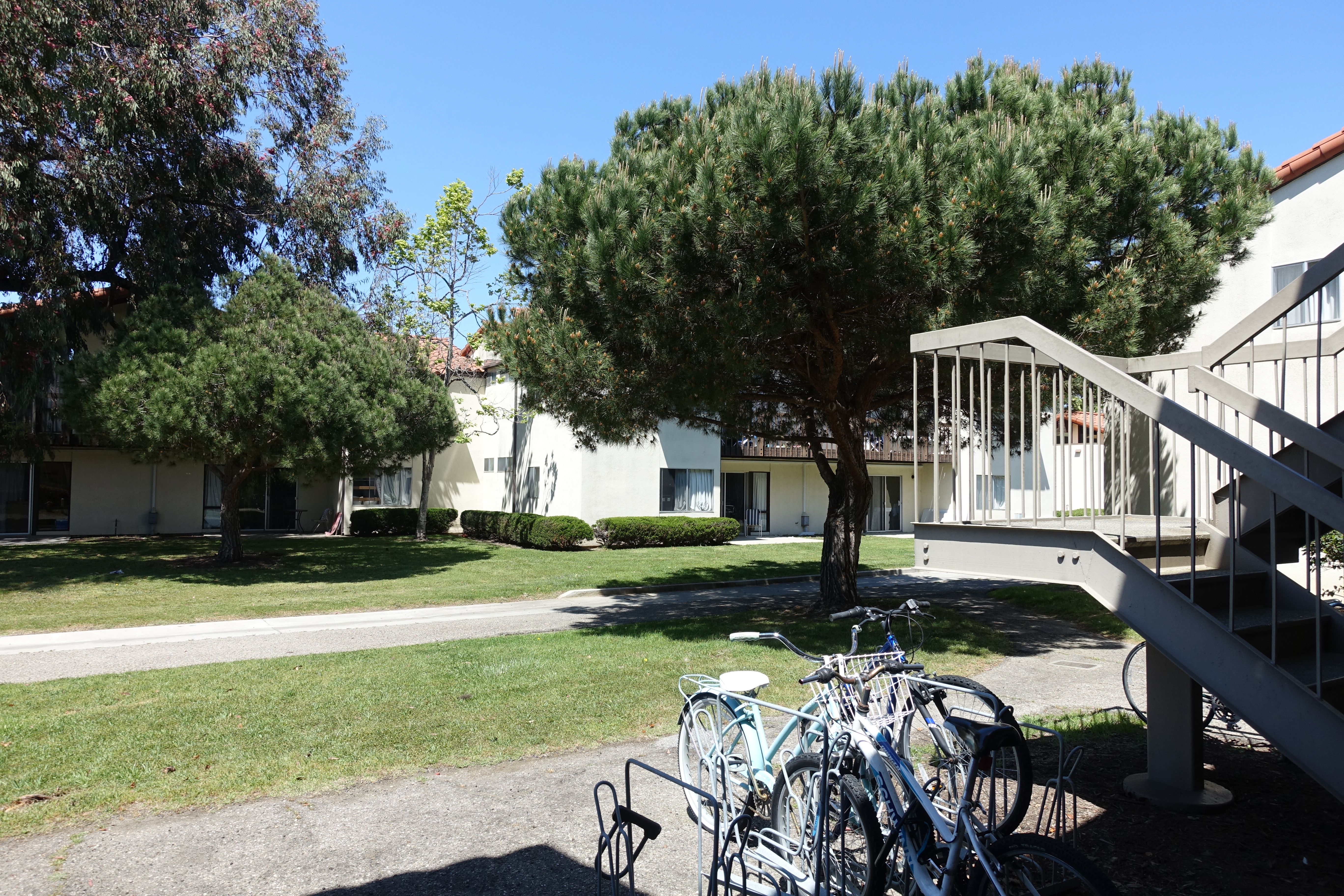
我居住的住宿区在上方横街道的中间位置,Santa Ynez,宿舍为独栋公寓。一栋公寓共是4个套间,一个套间是一厅两室两卫。因为之前预约入住的时候填写了亚洲人区,入住的时候发现室友都是国人,只有一位是越南裔的(本还想三个月高强度练练口语,这下基本都在说中文了)。
既然两轮与四轮的车都没有,出行就只能靠公共交通了。小地方没有地铁,但也意味着公交车基本到处都能去。学校与宿舍的主要公交线路都是15分钟左右一班,但因为几乎所有线路都覆盖学校和Market Place的站点,所以平时出行很方便。
 |
 |
 |
|---|
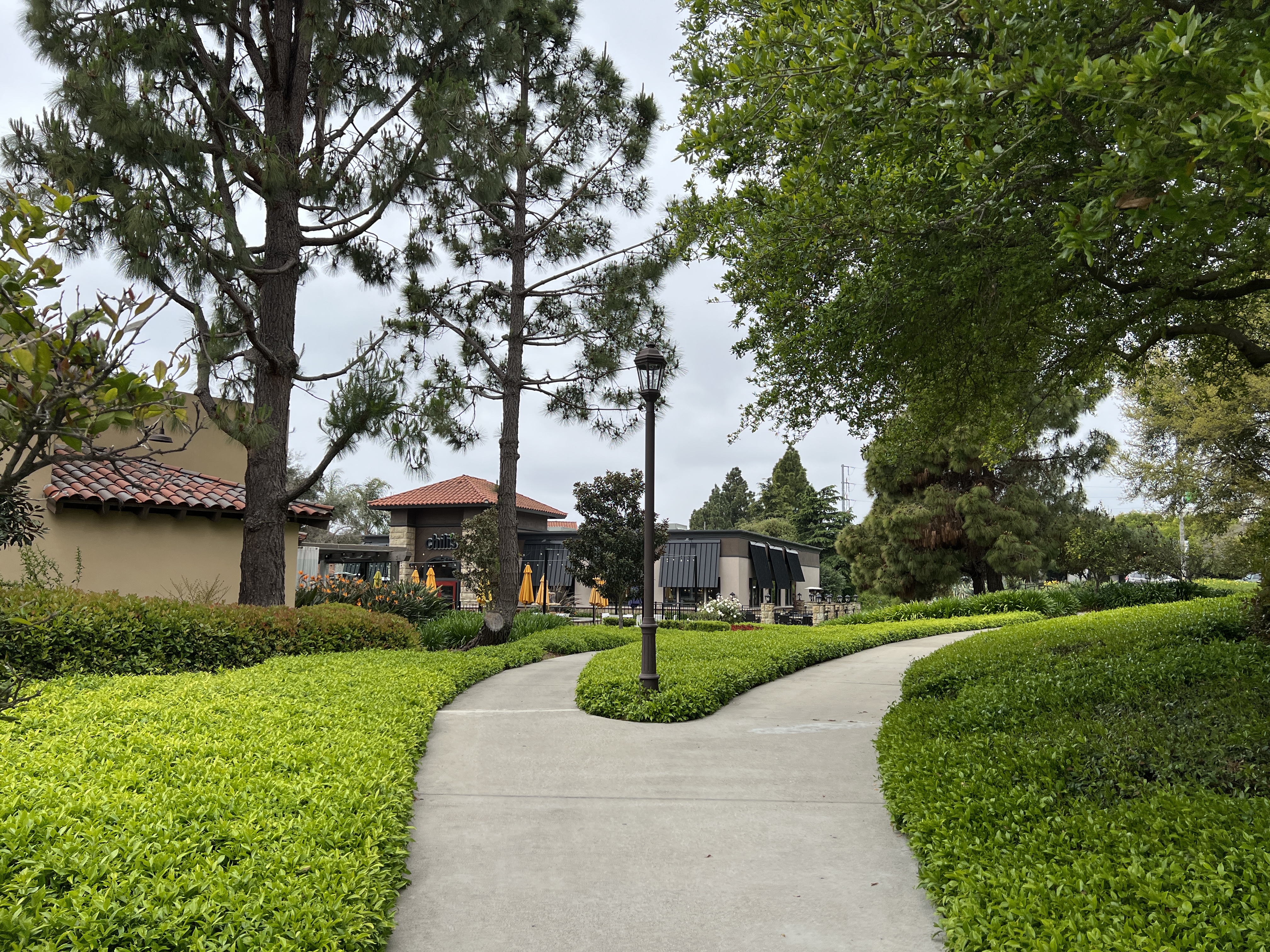
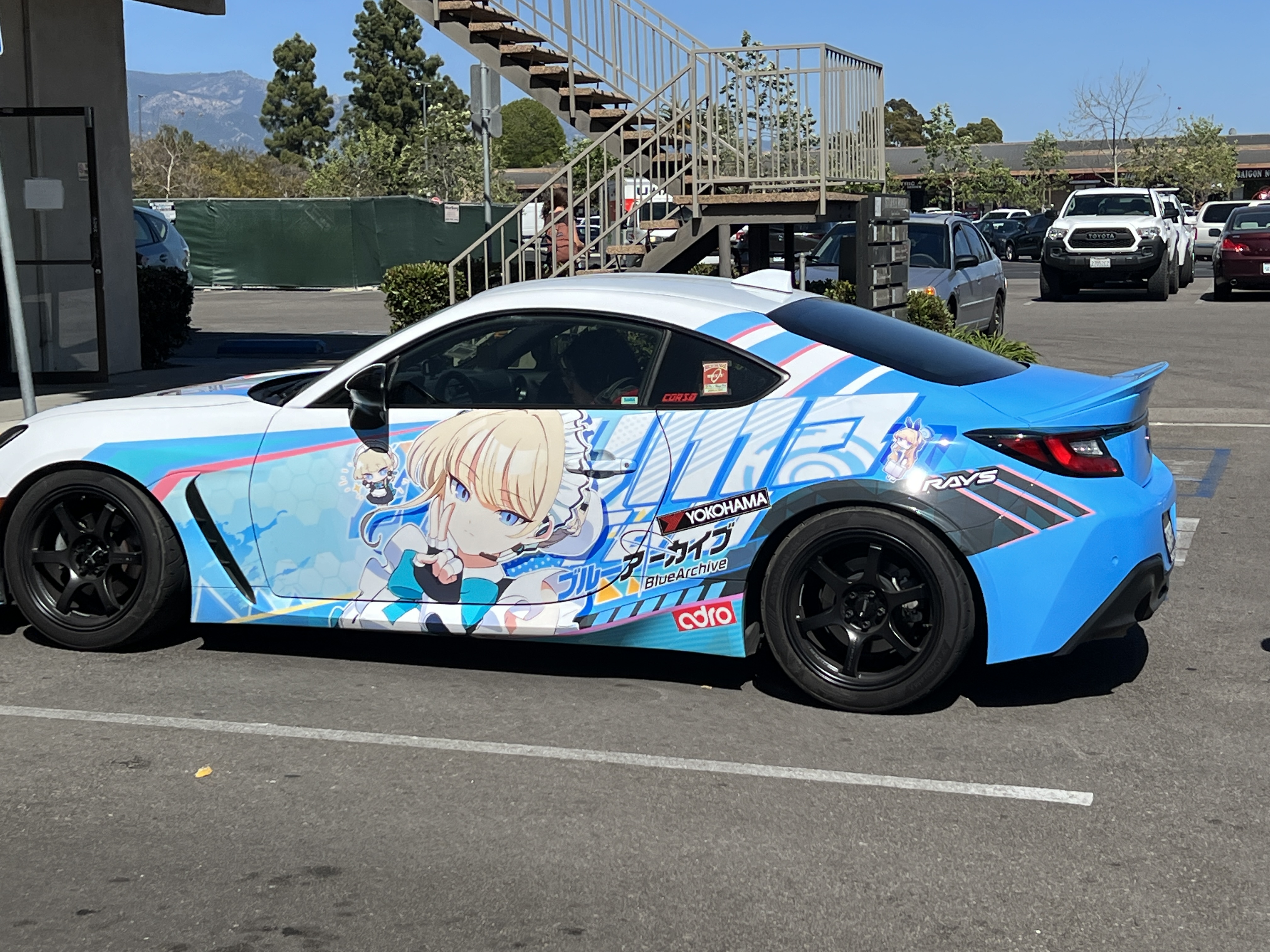
Market Place即商业区。美国除了人口比较密集的小镇外不太会有我们印象中的那种“路边小店”,基本都要到特定的大商业区域。从宿舍门口的公交车站上车,10分钟不到就能到。这个商业区面积很大,体感上有国内大部分综合体的两倍以上(虽然很大一片区域都是露天停车场)。除了餐馆麦当劳以外,还有大型超市(Costco, Target),日用品超市(Albertson),服装,电子商品,建材市场,电影院等。
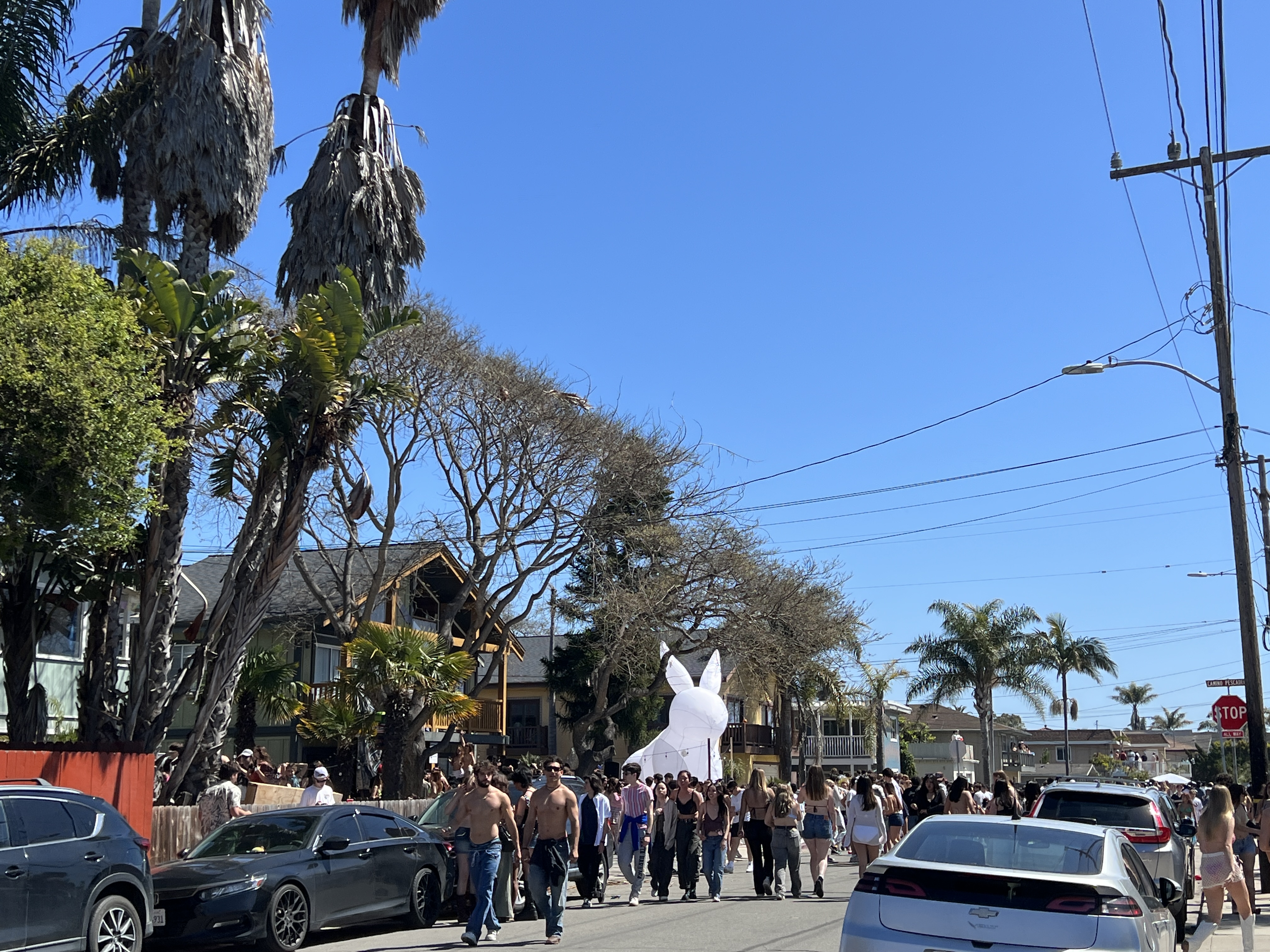
在宿舍的对面是一片街区(Isla Vista, 简称IV),这片居住街区就是在地图上被学校区域包围起来的地方。小镇上除了一些餐馆外,每年5月份的时候还会举行一次面向全校学生和外校人的海边Party(这也就是为什么UCSB被成为全美TOP1的派对学校),我也去现场观摩了一下。靠海的一条路的两边房子院子都在举行各种各样的活动,整一条路都被穿着泳装的人们的欢呼声掩盖了(话说这算不算另类的泳装派对?)。不过现场的氛围基本和我这个老宅还是相去甚远了,逛了一下感受了氛围就逃走了(..@_@)。
学习与课堂
 |
 |
 |
|---|
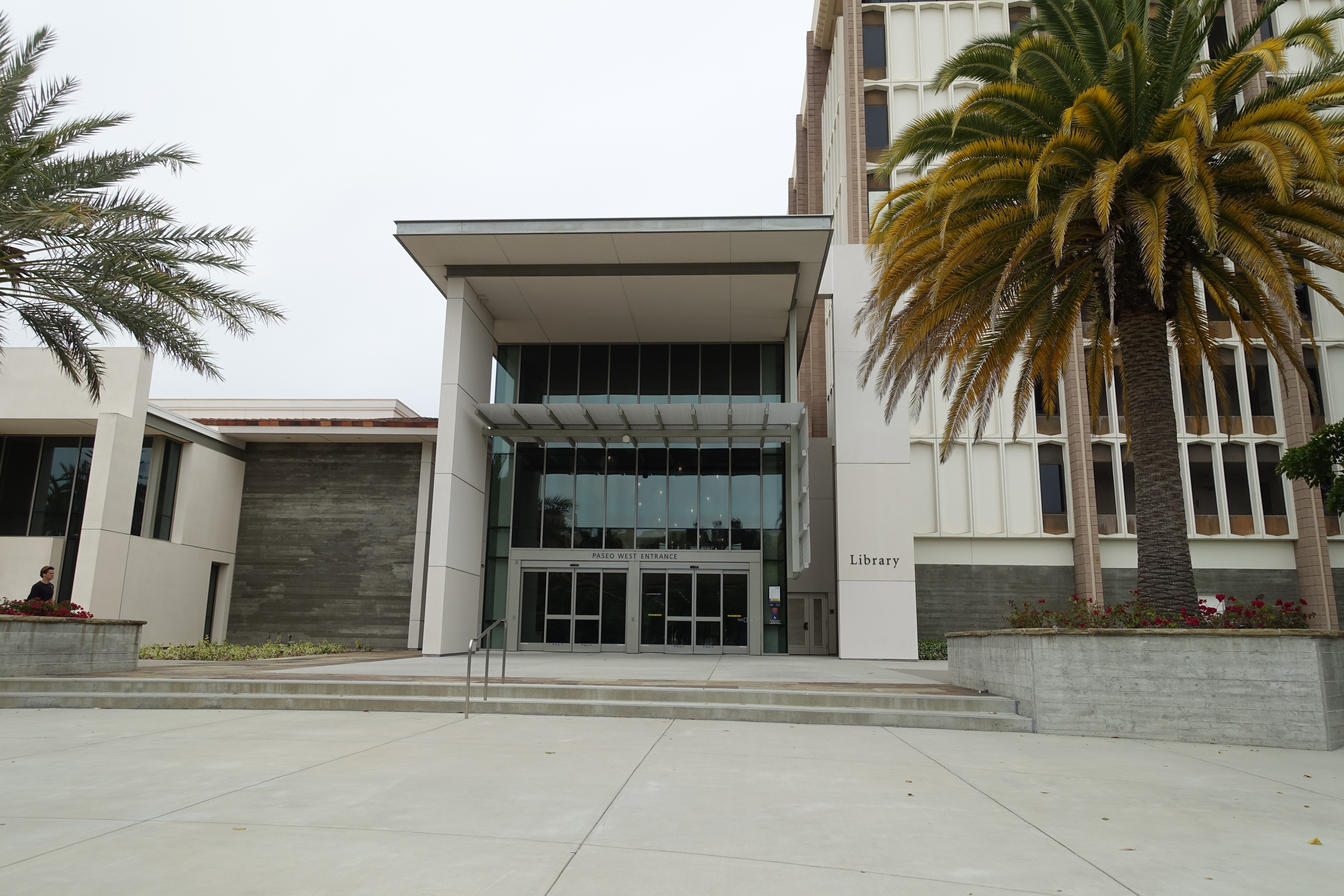
同上面描述的,UCSB的图书馆位于教学区较为中心的地方。图书馆人比较多,且因为其位置位于主走到和另一侧教学楼之间,因此课间会有很多人从中间大厅间穿过。
本次也是初次体验了美国高校的本科课程。UCSB的专业课代码是以"学科简写+课程代号"组成,比如我上的计科专业课代码就是CMPSC(or CS)开头。后面的课程代号,越靠后的课程会越高阶和专业,一般一位数字是基础课程,两位数字是进阶,三位数字是高阶课程。考虑换分的问题,我本次在三个难度区间各选了一门课体验了一下。根据室友的介绍,UCSB本科的前两年基本属于开放选课,不分所谓的专业学生,只要满足了课程前置要求就能随便上。不过要在后面进入对应专业的话,就需要满足专业的课程学分和GPA要求了。而且通常来说,偏向文科,或者人数越多的专业,其专业课程的教授给分就会卡得越死。比如UCSB第二人多的专业金融专业,教授会直接卡死每个评分的百分比人数(也就是说及时所有人都拿了所谓的及格分,课程成绩最后5%还是会挂科)。相比下理工科则是另一种情况,我计科专业的课程前几个Quater 4分满分平均分基本有3.7左右,大部分人都能拿A-以上。这给我的感觉就是美国人很多都不愿意读理工科,CS154课程里很多都是中国人或是印度人(很会拿分数)。不过如果能上计科,水平也都很高(154的有一位美国助教研究生,据说大二就往IEEE发期刊了)。
美国的课程是2h的lecture + 50mins的section。 Lecture就是教授向学生进行大课堂的教学,每周固定时间。Section是学生可以根据自己的时间去对应教室进行讨论,那里会有助教讲解课程和实验作业内容,或是答疑。总体感觉CS专业每周的任务还是比较轻松的。每周的lab或者homework其实还算有挑战性(我和另一位同学常常是约一起讨论然后解决问题,每次解决问题都很有收获),如果真遇到一些坎了,去问助教,也都能解决。
Downtown
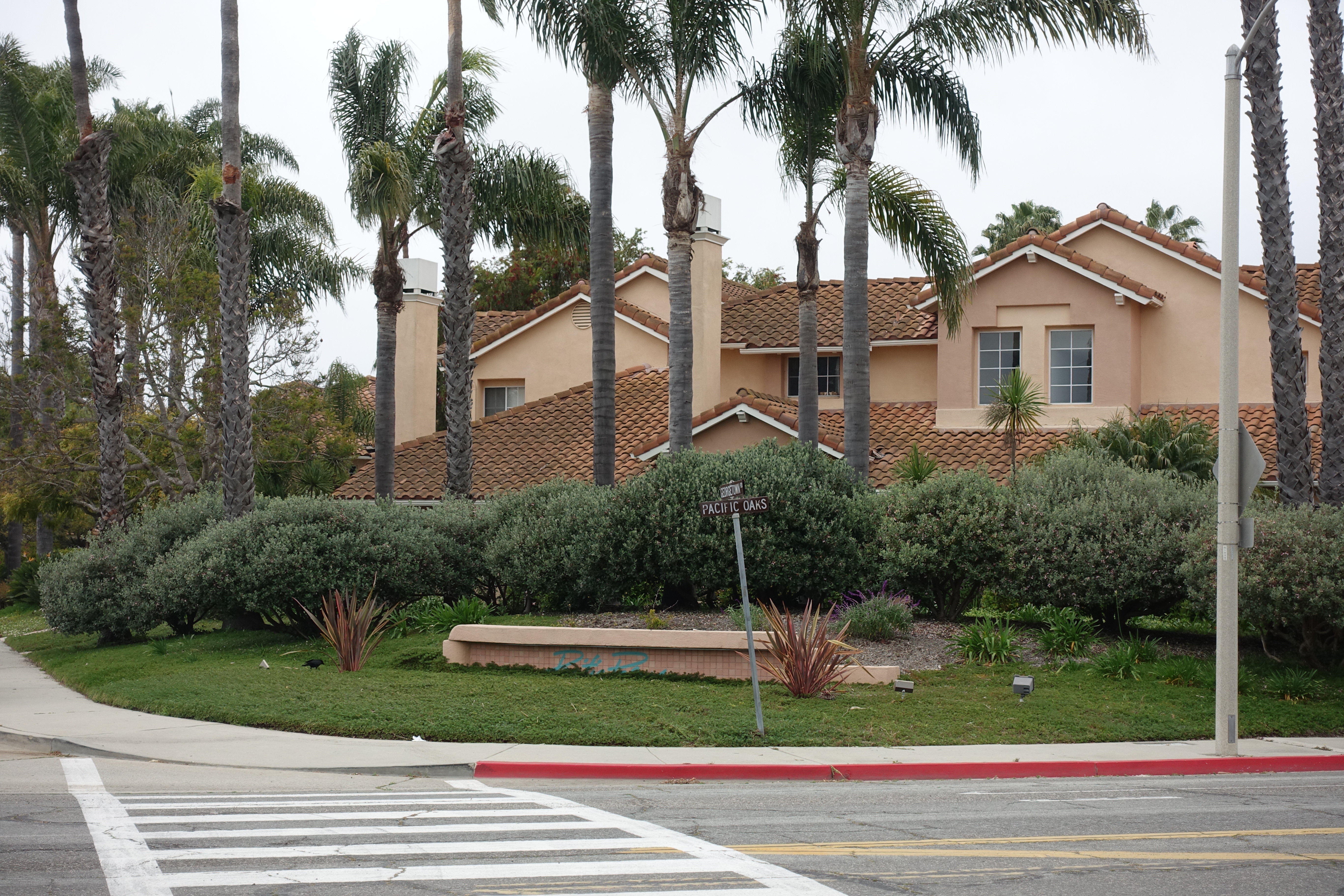
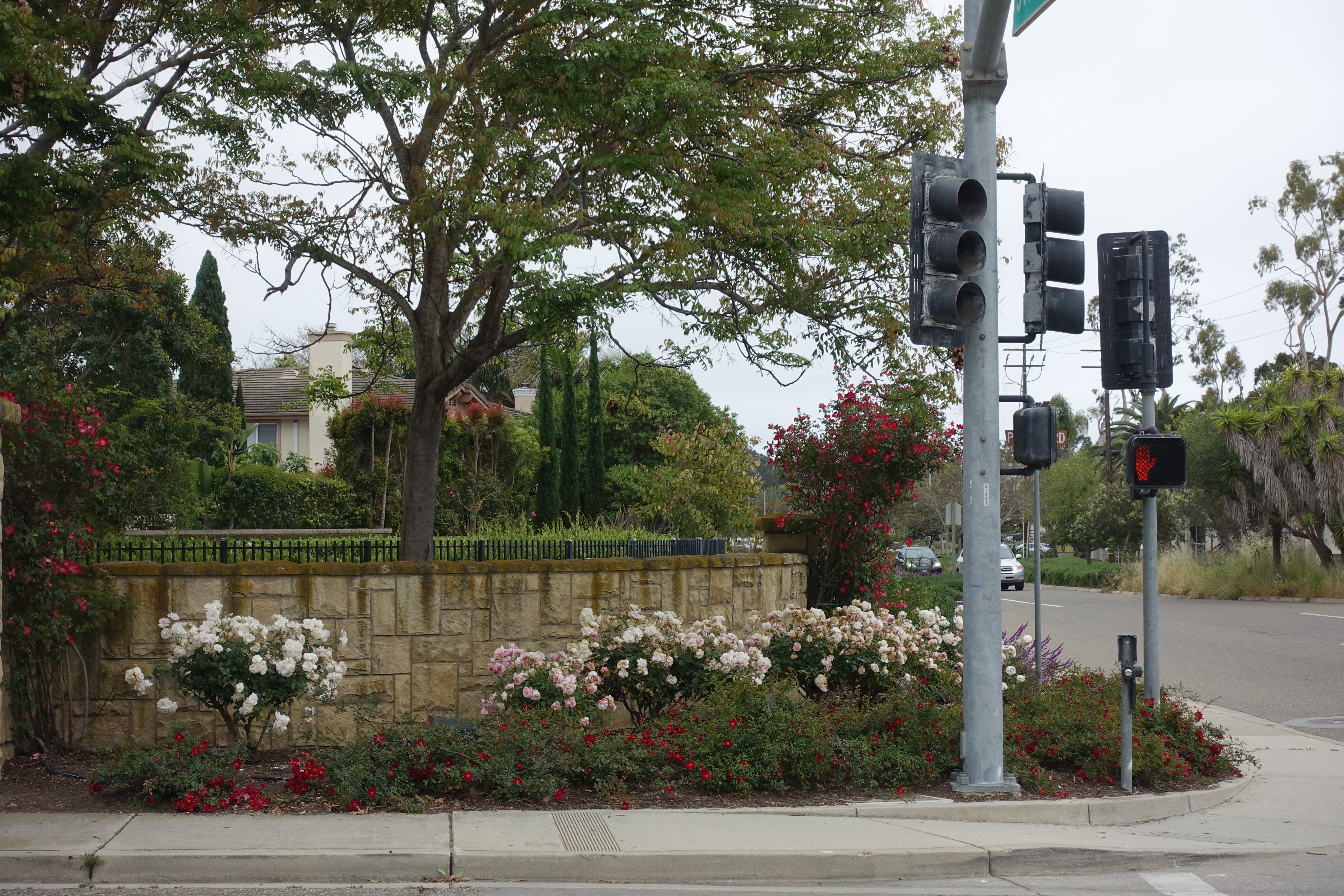
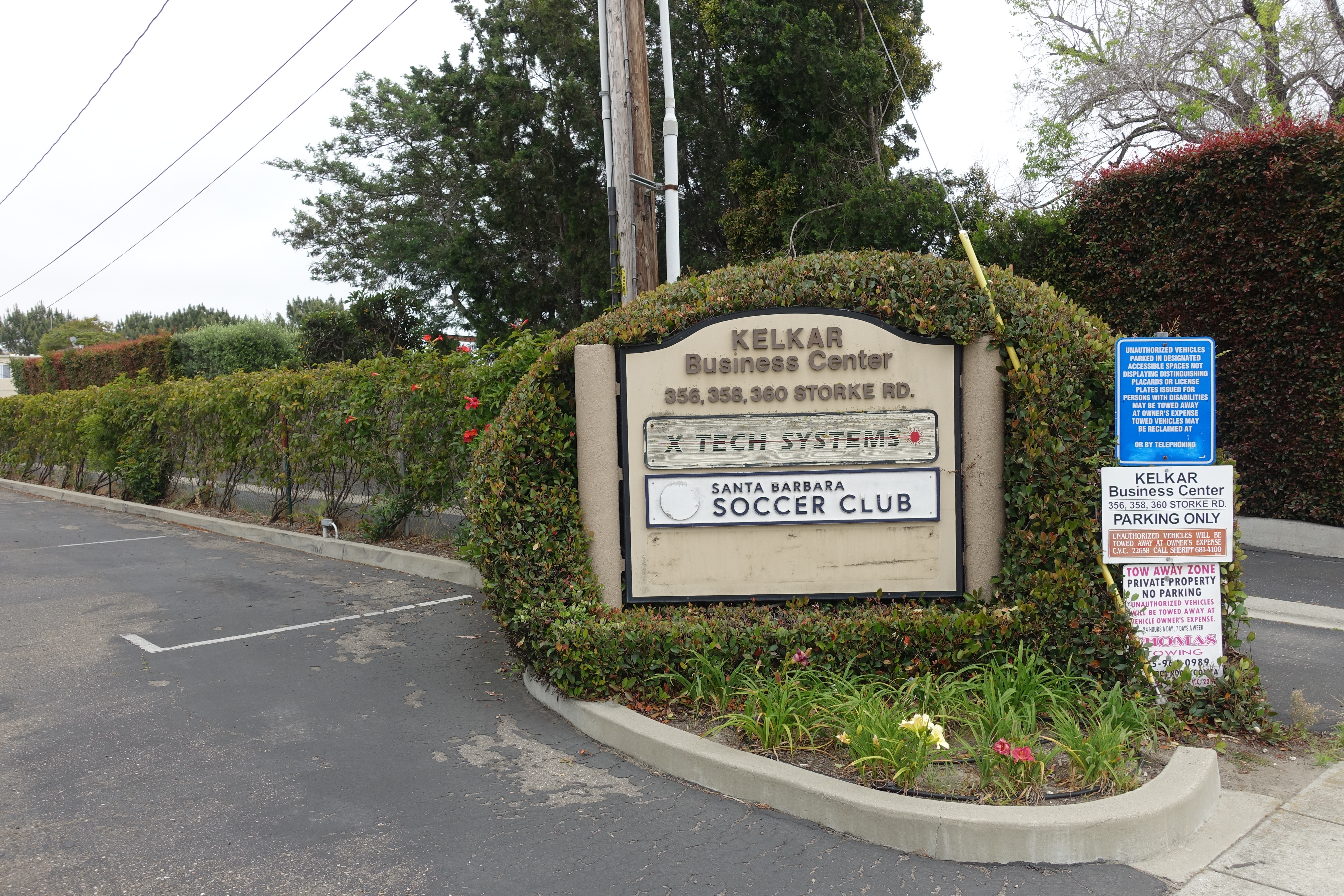
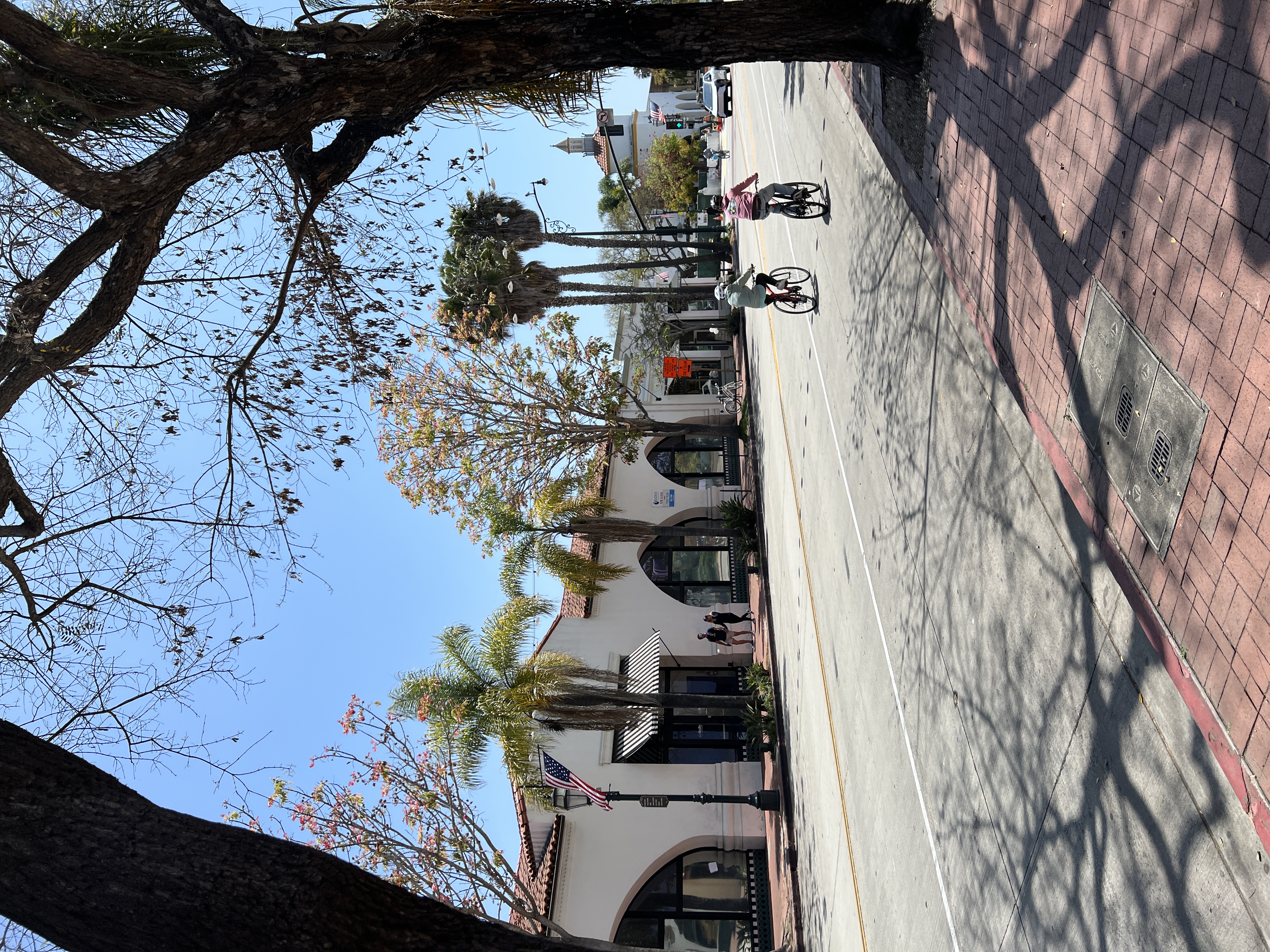
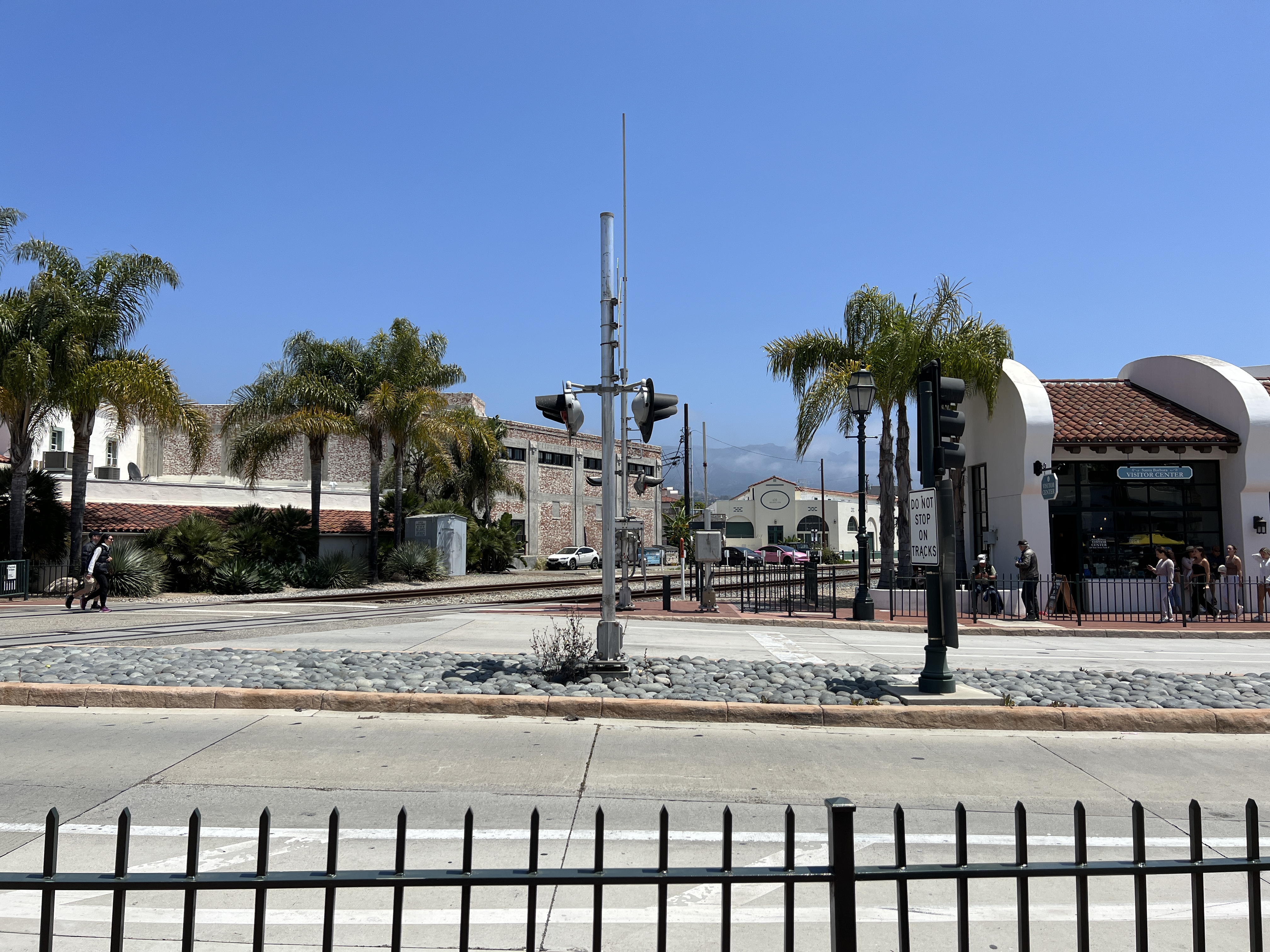
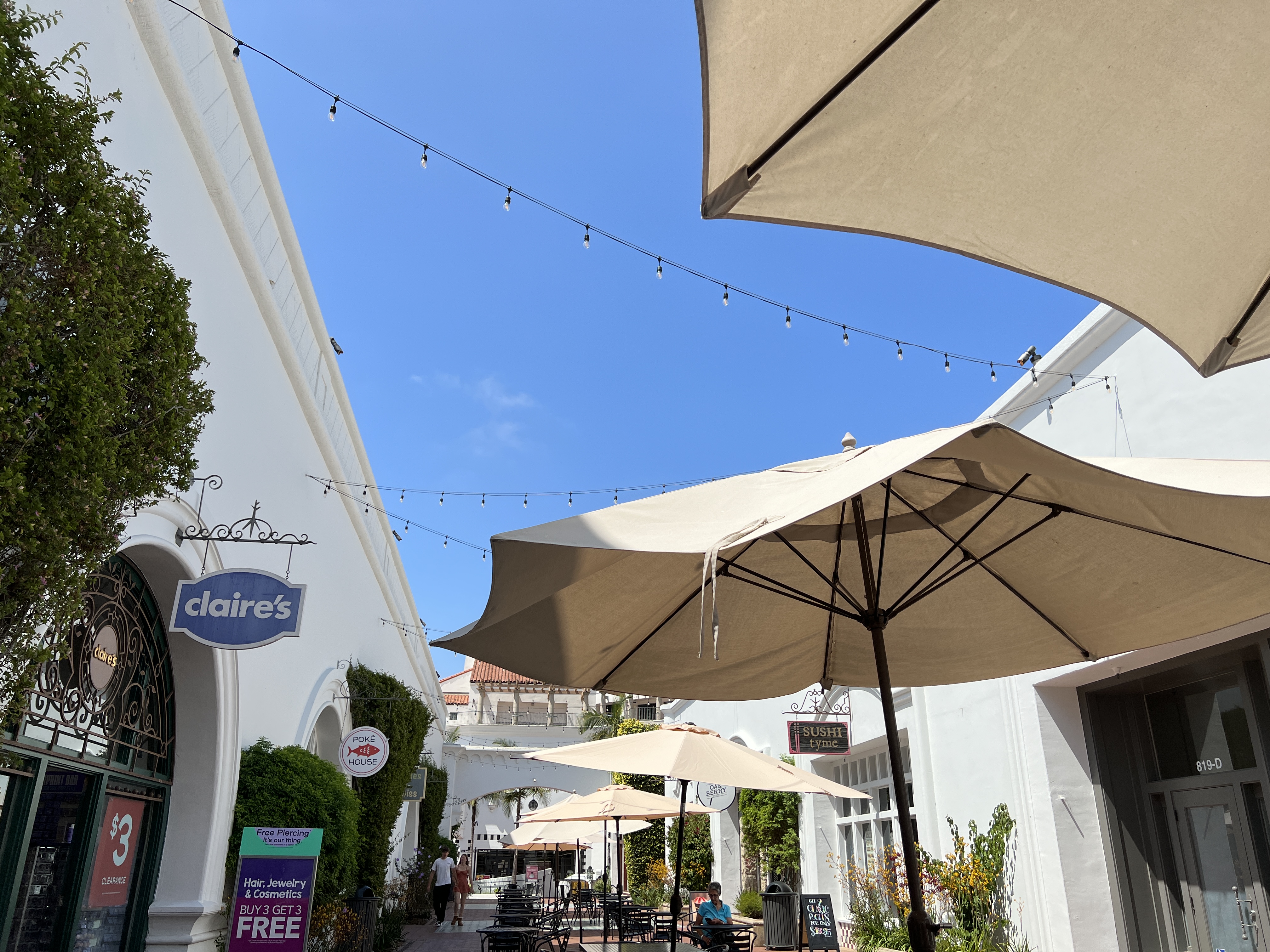
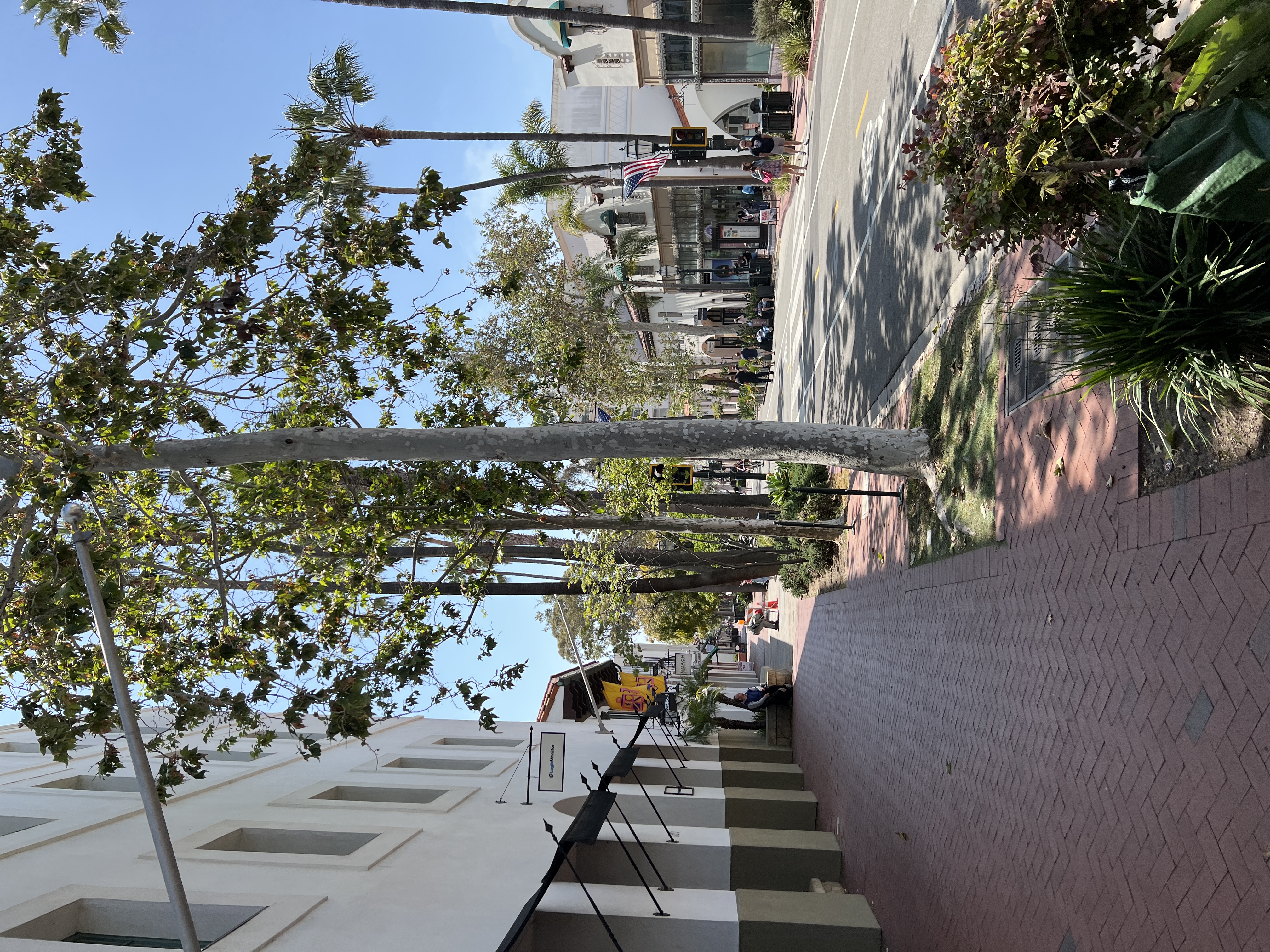
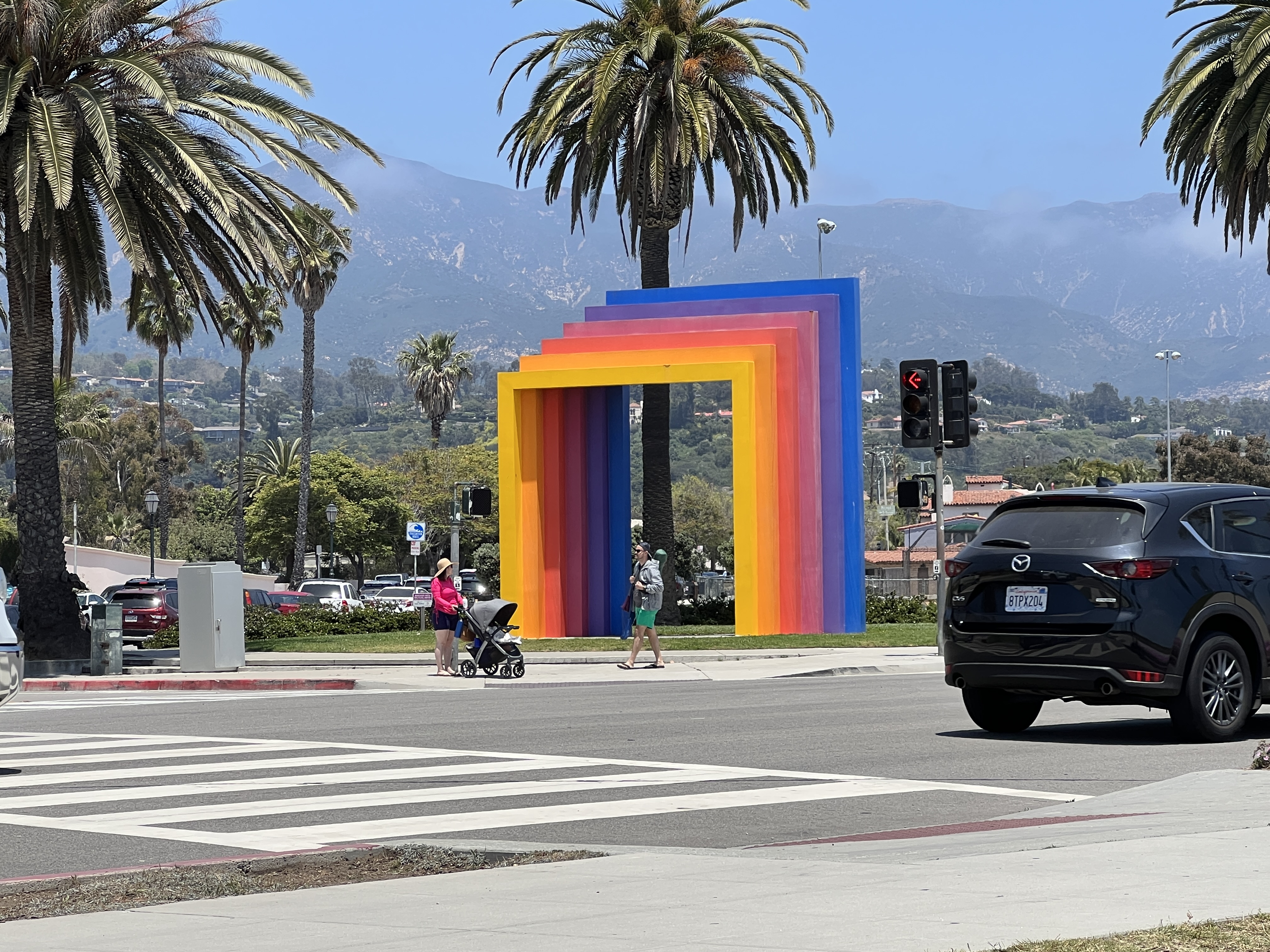
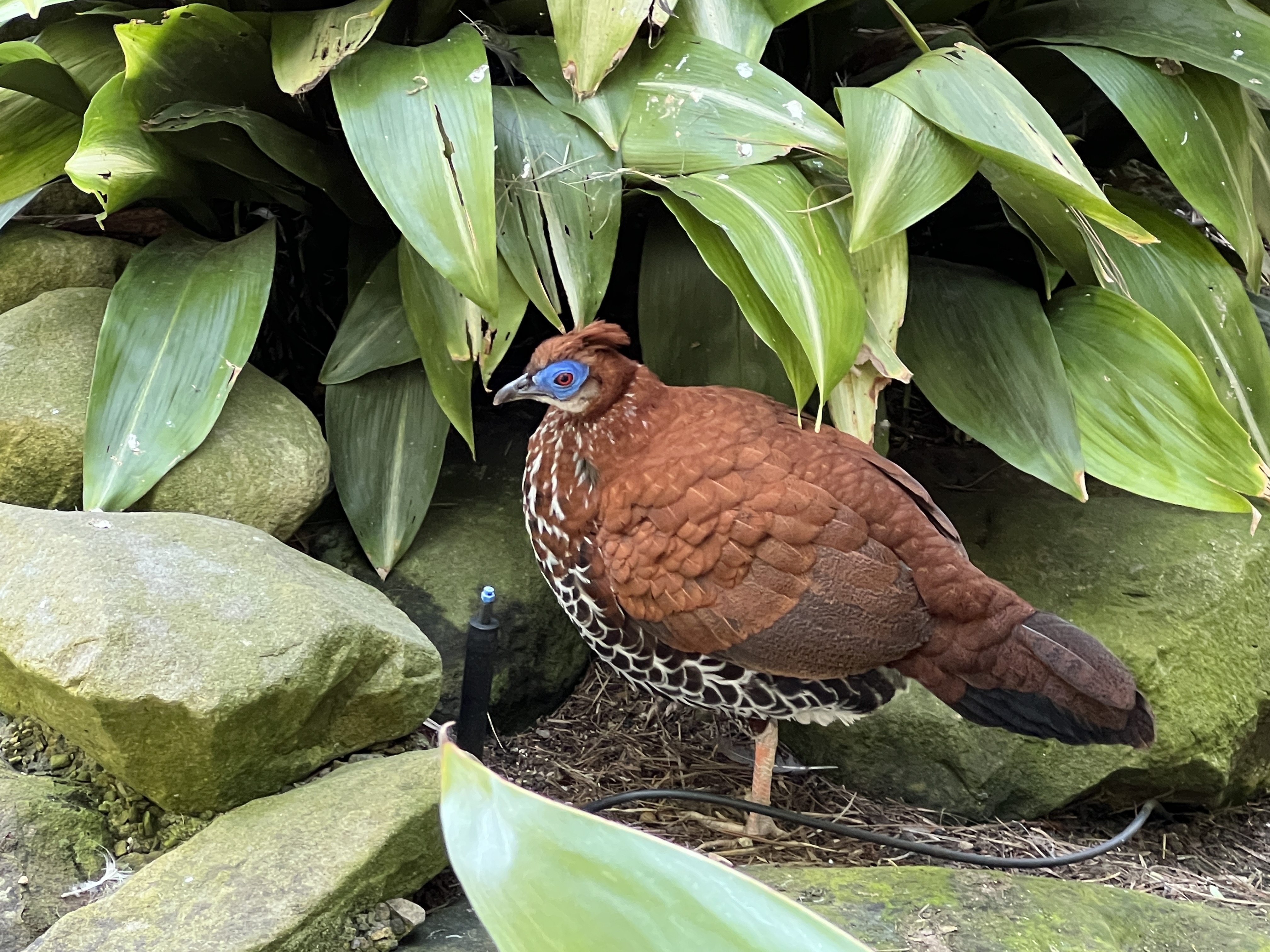
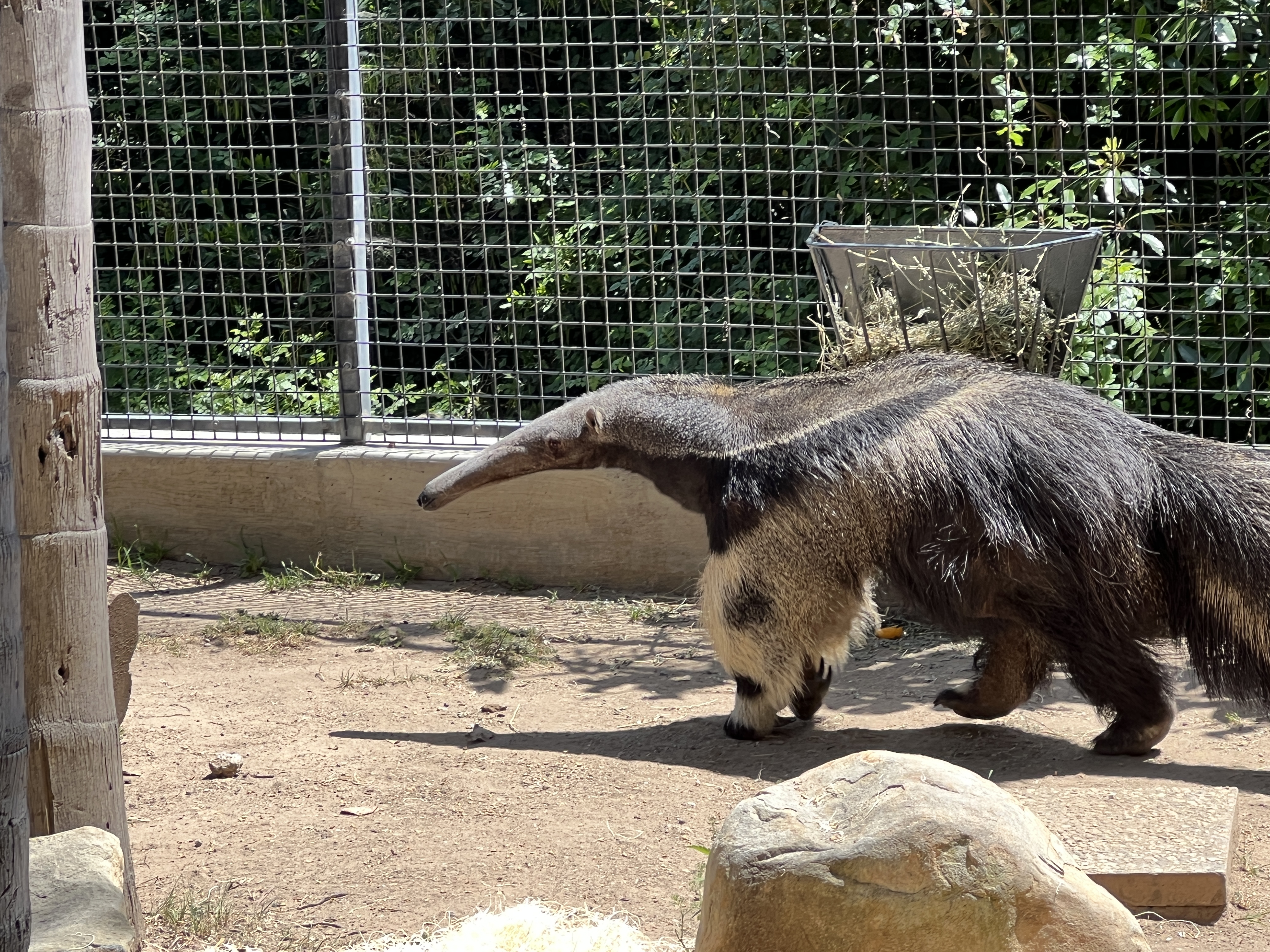
虽说三个月来一直在圣芭芭拉分校上课。但实际上UCSB,或者我主要活动的地方,其实原本并非真正的圣芭芭拉。其实UCSB所在的城市叫Goleta(戈利塔),其旁边的Santa Barbara Downtown,才是真正意义上的圣芭芭拉,不过先如今都同属于圣芭芭拉县下了。正巧碰上美国一个节假日,于是趁着闲暇,我也前往了Downtown 感受了下沿海小镇的风情。文笔不行,就不用匮乏的语言描述了。留白给本次圣芭芭拉行的相册吧。
 |
 |
|---|---|
 |
 |
 |
 |
 |
 |
 |
 |
也许还会更新......
Two and a Half Months of Exchange in the US: At UCSB
In the second semester of my junior year, I participated in the school's collaborative international visiting scholar program, UIP (University Immersion Program), studying at the University of California Santa Barbara for two and a half months, and wrote this article to simply record the journey.
First Arrival in the US, Santa Barbara
This was my first time living and studying in the United States. Arriving for the first time, to live and study alone for two and a half months, I still felt a bit uneasy. The development and convenience of the internet gave me an initial impression of this place before I arrived on the West Coast. However, online information sources are diverse and hard to distinguish between true and false; only actual experience can reveal some insights.
The journey to the destination was a direct flight from Shanghai Hongqiao to Los Angeles International Airport, totaling approximately 16 hours of flight time. To be honest, it was indeed the longest route I've ever taken (the next longest was when I went to Australia in junior high, about 12 hours, though the return journey was even longer). Upon arriving in Los Angeles, the collaborating exchange agency arranged for airport pick-up to Santa Barbara.
After arriving in Los Angeles, the drive to Santa Barbara took about 2 hours. My first impression upon arriving there was spaciousness, exceptionally spacious. Although Los Angeles is a big city, from the airport to leaving Los Angeles, I barely saw any high-density housing clusters. The main roads were very wide, often with 5 lanes in one direction for through traffic. There were many cars but it wasn't crowded, and almost all buildings had vehicle access and parking spots, making one exclaim that it truly is a 'country on wheels'. However, compared to the motor vehicle lanes, pedestrian walkways were not very convenient. Pedestrian traffic lights change independently of motor vehicle lights, and after pressing the crossing button, you often have to wait for a full cycle of motor vehicle lights before it changes (I'm not sure if this is the design, but from my experience, it certainly takes longer than in China). Moreover, many main roads basically have no pedestrian sidewalks, and some intersections only have sidewalks on two sides (if you need to cross to the other side, you have to go one intersection earlier to get to the opposite side). The saying 'can't move an inch without a car' is certainly true.
|
|
|
|---|
Santa Barbara is a seaside town, with nice scenery along the way.
Campus, Accommodation, and Surroundings
|
|
|
|---|
Two days before the semester started, I toured the teaching area of the campus. I heard that the UCSB campus is one of Santa Barbara's iconic attractions. The entire school, when viewed from above, resembles an inverted concave shape. The southeastern side is the main academic area, right by the sea, and includes the main bus stops for the region (my transportation for these two months relied on buses). The horizontal street above is the dormitory area, with accommodation on both sides of the street. The other side is essentially natural landscapes and a nature reserve (actually a large stretch of undeveloped land). If only counting the main academic facilities, the campus isn't actually very large (compared to better universities in China). The campus is beautiful; you can walk straight to the beach from the physics and engineering buildings, and many locals enjoy cycling and walking their dogs along the seaside street.
The busiest place on campus is the main walkway in front of the library, where the student union hosts various activities. Especially at noon, many students lie on the grass, sunbathing or studying. The local sunshine is excellent, and it's not hot at all (in fact, the temperature barely changed during my nearly three months here, staying around 11-23 degrees Celsius, truly a Mediterranean climate).
|
|
|
|---|
My dormitory area is located in the middle of the upper horizontal street, Santa Ynez. The dorms are detached apartments. One apartment building consists of 4 suites, and each suite has one living room, two bedrooms, and two bathrooms. Because I specified the Asian section when booking my accommodation, I found that my roommates were all Chinese, with only one being Vietnamese (I had originally hoped for three months of intensive English practice, but now I'm mostly speaking Chinese).
Since I had neither a two-wheeler nor a four-wheeler, I had to rely on public transportation for getting around. There's no subway in this small place, but that also means buses can essentially take you everywhere. The main bus routes between the school and the dorms run approximately every 15 minutes, and since almost all routes cover both the school and Market Place stops, it's very convenient for daily travel.
|
|
|
|---|
Market Place is the commercial district. In the US, apart from densely populated small towns, you typically won't find the kind of 'roadside shops' we're used to; you generally have to go to specific large commercial areas. Getting on the bus from the dorm entrance, it takes less than 10 minutes to arrive. This commercial district is very large, feeling more than twice the size of most shopping complexes in China (though a large portion of it is open-air parking). Besides restaurants and McDonald's, there are also large supermarkets (Costco, Target), general merchandise supermarkets (Albertson), clothing stores, electronics stores, building material markets, cinemas, and more.
Opposite the dorms is a neighborhood (Isla Vista, or IV), which is the residential area surrounded by the university campus on the map. Besides some restaurants in the town, every May there's a beach party for all students and outsiders (which is why UCSB is known as the #1 party school in the US). I also went to observe it. Houses and yards on both sides of the road by the sea were holding various activities, and the entire street was filled with cheers from people in swimsuits (does this count as an alternative swimsuit party?). However, the atmosphere there was quite different from what an old homebody like me is used to, so I took a look, felt the vibe, and then escaped (..@_@).
Study and Classes
|
|
|
|---|
As described above, UCSB's library is located quite centrally within the academic area. The library is often busy, and because its location is between the main walkway and another academic building, many people pass through the central hall during breaks.
This was also my first time experiencing undergraduate courses at a US university. UCSB's major course codes are composed of "subject abbreviation + course number." For example, the computer science courses I took start with CMPSC (or CS). For the course numbers, the higher the number, the more advanced and specialized the course; generally, single-digit numbers are introductory courses, two-digit numbers are intermediate, and three-digit numbers are advanced. Considering credit transfer, I chose one course from each of the three difficulty levels to experience. According to my roommate, the first two years of undergraduate study at UCSB are essentially open enrollment, without distinguishing between so-called major students; as long as the course prerequisites are met, anyone can take them. However, to enter a specific major later on, you need to meet the major's course credit and GPA requirements. And generally, for humanities-oriented majors, or majors with more students, professors tend to be stricter with grading for their specialized courses. For instance, in Finance, UCSB's second most popular major, professors directly cap the percentage of students for each grade (meaning that even if everyone gets a so-called passing grade, the bottom 5% will still fail the course). In contrast, STEM fields are different; for my computer science courses, the average GPA for the first few quarters was basically around 3.7 out of 4.0, and most people could get an A- or higher. This gave me the impression that many Americans are reluctant to study STEM fields; many students in the CS154 course were Chinese or Indian (very good at getting scores). However, if you can get into computer science, the level is generally very high (one American TA graduate student in 154 reportedly published a journal paper with IEEE in his sophomore year).
American courses consist of a 2-hour lecture + a 50-minute section. Lectures are large classroom teachings by professors at a fixed time each week. Sections are where students can go to designated classrooms for discussions according to their own schedule, where TAs explain course and lab assignment content, or answer questions. Overall, the weekly tasks for the CS major felt relatively relaxed. The weekly labs or homework were actually quite challenging (another classmate and I often met to discuss and solve problems together, and each time we solved a problem, it was very rewarding). If we truly encountered difficulties, asking the TAs always helped resolve them.
Downtown
Although I attended classes at UCSB for three months, UCSB itself, or rather where I mostly spent my time, was not originally the true Santa Barbara. In fact, the city where UCSB is located is called Goleta, and the adjacent Santa Barbara Downtown is what's truly meant by Santa Barbara, though both are now under Santa Barbara County. It happened to be a US holiday, so I took the opportunity to visit Downtown and experience the charm of the coastal town. My writing skills are not great, so I won't attempt to describe it with insufficient language. I'll leave it to the photo album of this Santa Barbara trip.
|
|
|---|---|
|
|
|
|
|
|
|
|
Perhaps more updates to come......